
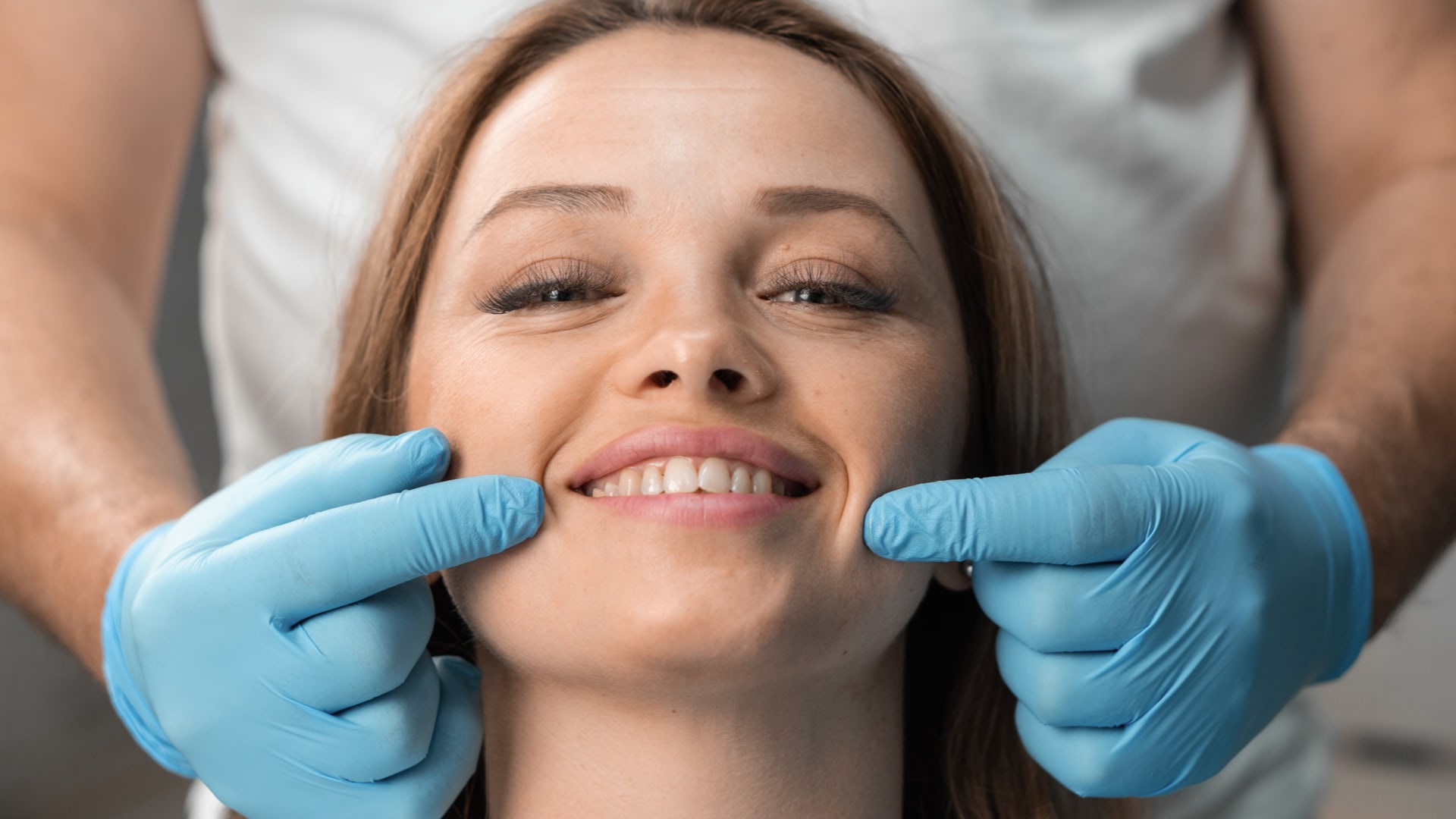
Cosmetic dentistry is a modern branch of dentistry that aims to enhance the aesthetic appearance of the smile while preserving the natural shape, color, and alignment of the teeth. Thanks to today's advancing ceramic technologies and digital impression systems, aesthetic restorations are both visually natural and functionally long-lasting. The most commonly applied methods in this field are laminate veneers, porcelain crowns, E-max, and zirconia restorations.
Scope of Cosmetic Dentistry
Cosmetic dentistry is not solely an appearance-oriented application; it aims to provide the most suitable restoration for the natural structure while maintaining the function of tooth. Procedures commonly performed in this field include:
- Correction of discoloration
- Repair of fractured or abraded teeth
- Closure of diastema
- Smile design
- Crowded or malformed teeth
Since each individual’s oral anatomy, tooth color, and facial symmetry are unique, personalized design planning is prioritized in cosmetic dentistry. With digital planning software (CAD/CAM), it is possible to see the final state of the teeth before treatment.
Laminate Veneer Treatment
Laminate veneers are 0.3–0.7 mm thick porcelain shells applied to the surface of the anterior teeth. They are bonded by performing minimal IPR (Interproximal Reduction) on the tooth surface. This method maximizes the preservation of natural tooth tissue.
Advantages:
- It has an aesthetically natural translucency.
- It can be custom-produced according to the tooth color.
- It is resistant to discoloration and staining.
- Tooth tissue is preserved to a large extent.
Areas of Use:
- Discoloration in anterior teeth
- Mild shape or form irregularities
- Closure of diastemas
- Smile aesthetics adjustments
Laminate veneers can maintain their original appearance for 10–15 years with regular dental care.
Porcelain, E-max, and Zirconia Crowns
Apart from laminate, full-coverage restorations also play an important role in
cosmetic dentistry. These procedures are preferred in cases where a large part of the tooth structure has been lost.
a) Porcelain Crowns
Traditional porcelain crowns are generally produced with metal-supported. After tooth preparation, a porcelain layer is applied over the metal substructure. However, due to the aesthetic disadvantages of metal frameworks, all-ceramic systems (E-max and zirconia) are now more commonly preferred.
b) E-max Crowns
E-max (lithium disilicate ceramic) provides the closest appearance to natural teeth due to its high translucency. It is particularly ideal for patients seeking aesthetic perfection, especially in the anterior teeth.
Advantages:
- Natural color harmony
- Metal-free composition
- High durability even at minimum thickness
- Does not cause allergic reactions
E-max crowns are prepared with digital measurement systems to minimize laboratory-related inaccuracies.
c) Zirconia Crowns
Zirconium oxide is widely used in modern dentistry due to its durability and aesthetic properties. It is preferred in posterior teeth because of its resistance to occlusal forces.
Advantages:
- Metal-free structure, which prevents the formation of dark lines at the gingival line
- High durability and long life
- Excellent gingival compatibility thanks to its biocompatible structure.
Zirconia crowns are less translucent than E-max, but offer greater durability.
Treatment Process and Application Stages
In aesthetic dental treatments, the process begins with digital planning and patient approval. The stages are generally as follows:
- Examination and planning: Intraoral photographs, impressions, and digital scans are obtained.
- Digital Smile Design (DSD): The new tooth form is digitally modeled according to the patient’s facial symmetry.
- Preparation phase: When necessary, minimal IPR is performed.
- Temporary restoration: During the laboratory phase, a temporary crown is placed to ensure that the patient’s daily activities are not affected.
- Final Placement of the Restoration: Laminate, E-max or zirconia crowns are bonded using specialized dental adhesives.
During these procedures, local anesthesia may be administered; the treatment is generally painless and comfortable.
Usage Period, Care, and Considerations
Aesthetic restorations can maintain their durability for many years when proper care is provided.
- If the patient has bruxism, a protective night guard should be used.
- Biting hard foods should be avoided.
- Regular dental examination should be performed at least twice a year.
- Toothpastes with included abrasive substances should not be used.
Smoking and excessive consumption of tea or coffee may lead to surface discoloration over time; however, this can be prevented with regular professional cleaning.
Aesthetic dentistry has evolved into a field of treatment that combines natural appearance and durability through technological advancements. Modern materials such as laminate, E-max, and zirconia enable the reshaping of an individual’s smile aesthetics while preserving the natural tooth structure. With appropriate material selection, personalized treatment planning tailored to the patient’s oral anatomy, and regular oral care, these restorations can ensure long-term success both aesthetically and functionally.