

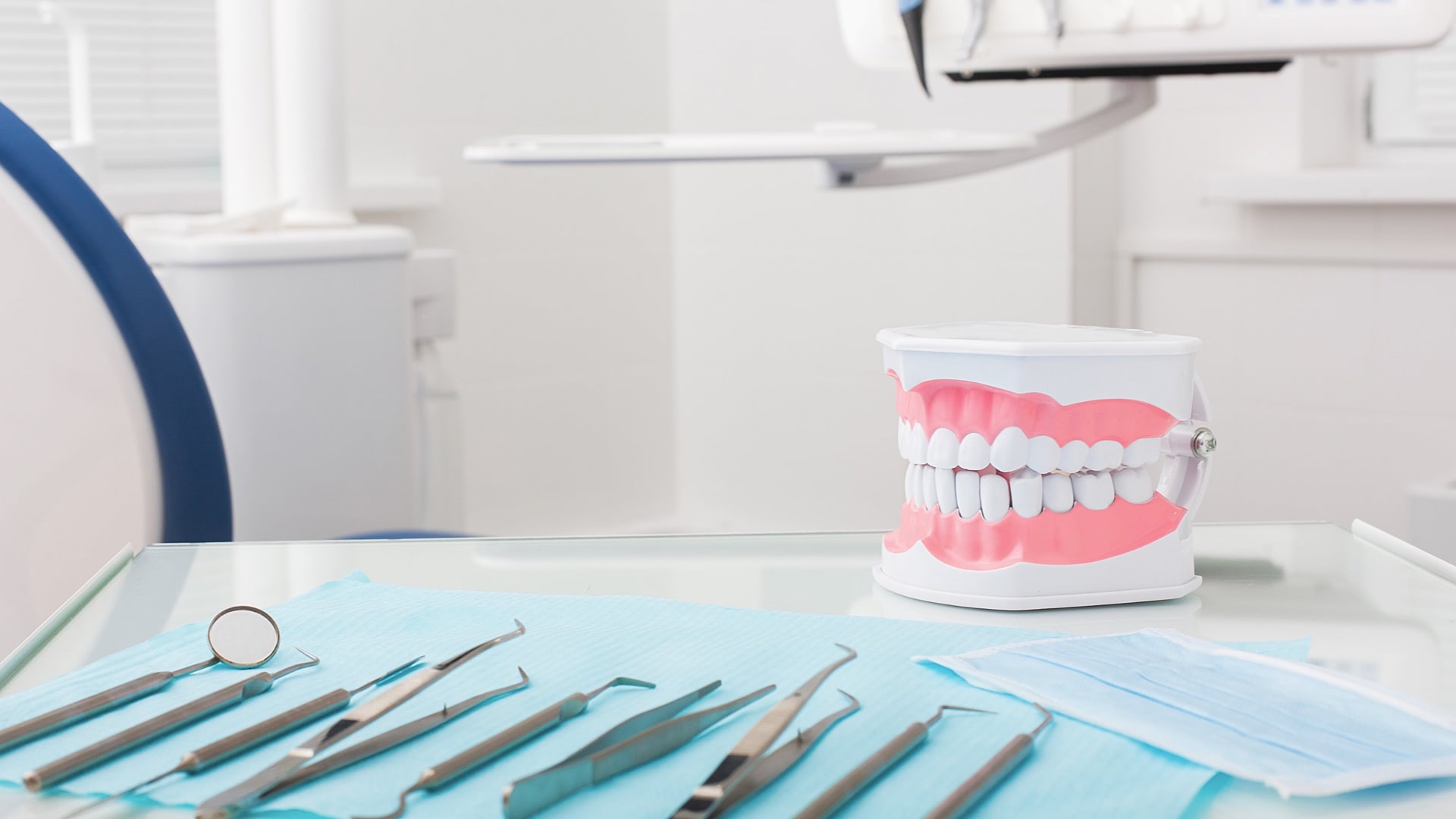
Dental filling applications are among the most common conservative dental treatment methods, aiming to restore the function, aesthetics, and durability of teeth damaged by decay, fractures, or abrasion. The filling materials and techniques used in modern dentistry are designed to achieve long-lasting results while preserving natural tooth tissue.
Purpose of Dental Fillings and Indications for Treatment
Dental fillings are performed to repair tissue loss on the tooth surface and restore its chewing function. Untreated cavities progress over time and reach the nerve tissue in the inner part of the tooth (pulp); this situation can lead to pain, inflammation, and the need for root canal treatment. Fillings are applied in the following cases:
- Tooth decay
- Fractures or cracks caused by trauma
- Excessive abrasion
- Form and color correction for aesthetic reasons
Dental fillings are not only used for treatment purposes but are also part of the preventive dentistry approach; early intervention reduces the need for more advanced treatments.
Filling Types and Materials Used
In modern dentistry, filling materials are selected based on their aesthetic qualities, durability, and biocompatibility. The main types of dental fillings include:
a) Composite Fillings (Aesthetic Fillings)
These are tooth-colored, light-cured resin-based fillings.
- They provide an aesthetically natural appearance.
- They can be used in both anterior and posterior teeth.
- They have the property of chemically bonding to the tooth tissue.
- They offer a wide range of color options.
Composite fillings are particularly preferred for anterior teeth and in aesthetically visible areas.
b) Glass Ionomer Fillings
Thanks to their fluoride-releasing property, they have a preventive effect against cavity formation.
c) Ceramic (Porcelain) Fillings – Inlays / Onlays
Porcelain fillings, prepared in a laboratory after taking an impression of the tooth, ensure a perfect match with the tooth tissue.
- High aesthetic performance
- Color stability
- Resistance to abrasion
In terms of durability, they are longer-lasting than composite fillings.
The Application Process
The dental filling procedure is usually completed in a single session. During the process, only the decayed parts are cleaned without damaging the natural structure of the tooth.
Treatment Stages:
- Local anesthesia is administered (if necessary).
- The decayed tissue is cleaned using special burs.
- The area to be filled is disinfected.
- The filling material is placed into the tooth.
- Light curing is applied (for composite fillings).
- The surface contours are adjusted, and polishing is performed.
After the treatment, it is recommended to avoid hard foods for a few hours. With new-generation filling materials, post-treatment sensitivity is generally minimal.
Post-Filling Care and Longevity
The lifespan of fillings varies depending on the material used, oral hygiene, and the patient's chewing habits.
Average Durability Periods:
- Composite fillings: 5–7 years
- Amalgam fillings: 10–15 years
- Ceramic fillings: 15 years and above
Maintenance Recommendations:
- Regular tooth brushing and flossing.
- Avoiding the biting of excessively hard foods.
- Use of a protective night guard if there is a habit of teeth grinding at night.
- Dentist examination every 6 months.
If a fracture, discoloration, or leakage is noticed in fillings, early intervention can prevent permanent damage.
The Importance of Dental Fillings and the Restorative Approach
Modern dentistry is based on a conservative approach, that is, a protective approach. The goal is to provide a long-lasting restoration by removing as little tooth tissue as possible. Restorative treatments protect not only the physical integrity of the tooth but also chewing balance, function, and aesthetic harmony.
Thanks to digital measurement systems (CAD/CAM) and nanotechnological composites, today's fillings have a natural tooth appearance and exhibit superior performance in terms of mechanical durability.
Dental filling applications are one of the fundamental treatment methods for preserving teeth damaged by decay or trauma. Fillings made with modern materials such as composite, ceramic, and glass ionomer provide successful results in terms of aesthetics, function, and biological compatibility. With proper material selection, careful application, and regular care, dental fillings can provide healthy and comfortable usage for many years.