
Oral and Maxillofacial Surgery is a branch of dentistry that encompasses the diagnosis and surgical treatment of diseases, injuries, and anatomical disorders of the teeth, jaws, oral cavity, and surrounding tissues. This field covers a wide range of procedures, from simple tooth extractions to complex jaw fracture repairs, and from impacted tooth surgeries to the surgical removal of tumor and cyst.
Scope and Clinical Applications of Jaw Surgery
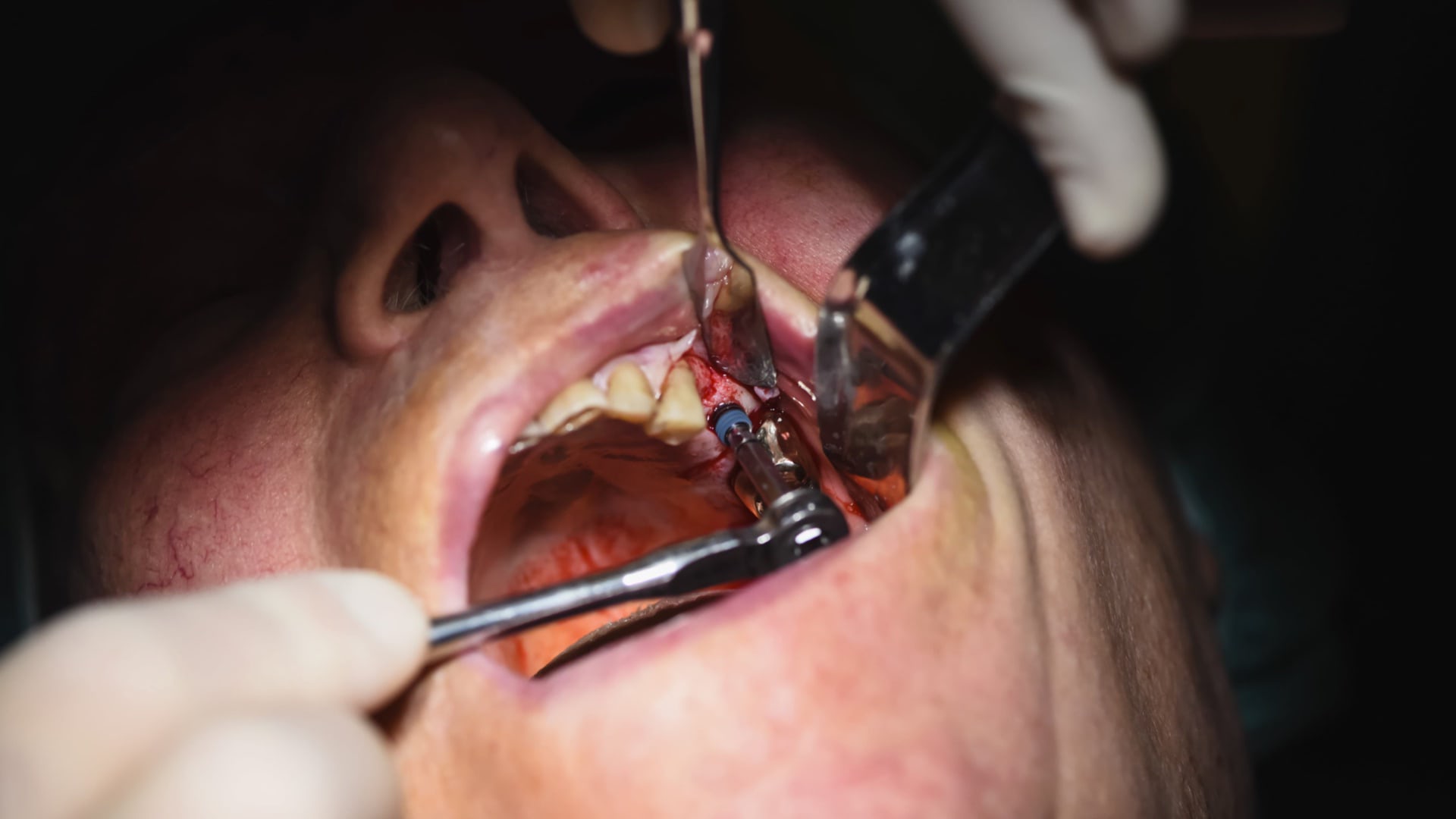
Oral and Maxillofacial Surgery includes both intraoral soft tissue procedures and surgical interventions involving the jawbone. The main applications are:
- Impacted tooth operations (particularly wisdom teeth).
- Surgical treatment of jaw cysts and tumors
- Fracture repair following trauma
- Dental implant surgery
- Jawbone discrepancies (orthognathic surgery)
- Excision of intraoral soft tissue lesions
- Sinus lift procedures
The goal of these procedures is to restore the natural structure of the oral and facial regions, ensuring both functional and aesthetic outcomes.
Impacted Teeth and Surgical Extractions
Impacted teeth are teeth that have not fully or partially erupted and remain within the jawbone or soft tissue. The most commonly encountered impacted teeth are the wisdom teeth of the upper and lower jaws. These teeth can:
- Cause pain by exerting pressure on adjacent teeth
- Lead to cyst formation in the jawbone
- Disrupt dental alignment
Surgical extraction is performed under local anesthesia. The gum tissue is opened to expose the tooth, and if necessary, the tooth is sectioned and removed. The surgical site is then cleaned and sutured. The healing period typically lasts 7 to 10 days, during which a soft diet, avoidance smoking, and regular cold compresses are recommended.
Cyst, Tumor, and Trauma Surgery
Jaw cysts typically develop due to dental root infections or developmental factors. Their symptoms may include swelling, pain, or radiolucency observed on radiographs. In surgical treatment, the cystic tissue is completely removed, and the cavity is sterilized and sutured. Pathological examination is essential to determine the type of formation and assess the risk of recurrence. Jaw fractures can result from traffic accidents, sports injuries, or falls. Treatment depends on the location and severity of the fracture and may involve plate, screw, or wire fixation. After surgery, the patient’s chewing function and facial symmetry are restored.
Soft tissue tumors and lesions are usually benign when removed early. Therefore, regular monitoring of color changes or swellings in the oral cavity is highly recommended.
Advanced Surgical Procedures
With advances in technology, jaw surgery has evolved beyond conventional operations, offering more precise and comfortable techniques.
a) Orthognathic Surgery
When the upper or lower jaw is skeletally protrusive, retrusive, or asymmetric, the jaws are surgically repositioned. These procedures are usually planned in conjunction with orthodontic treatment. The goal is to improve both chewing function and facial aesthetics.
b) Sinus Lift and Bone Grafting
When there is insufficient bone height in the upper jaw, the sinus floor is elevated and graft material is placed. This procedure creates an adequate bone volume for dental implants.
c) Laser Surgery
Laser technology enables bloodless and sutureless procedures. It is particularly used for soft tissue incisions, frenectomy (tongue-tie or lip-tie), and cyst removal.
Postoperative Period and Recovery
The healing process after surgical procedures varies depending on the extent of the operation. Swelling, mild pain, and bruising lasting a few days are generally considered normal. During this period, the following precautions should be observed:
- The First 24 Hours: Avoid spitting or gargling.
- The First 48 Hours: Apply cold compresses to reduce swelling.
- Avoid hot foods, alcohol, and smoking.
- Take medications regularly as prescribed by your dentist.
- Maintain oral hygiene carefully without disturbing the surgical site.
The complete healing period typically ranges from 7 to 14 days, while bone-related procedures may require 2 or 3 months for full recovery. Oral and Maxillofacial Surgery is a specialized field that restores the health of the teeth, jaws, and soft tissues, playing a crucial role in both functional and aesthetic outcomes.
With a broad spectrum of treatments from impacted tooth surgeries to orthognathic procedures, this specialty plays a significant role in maintaining oral health and enhancing quality of life. Thanks to modern imaging, laser, and digital planning technologies, these procedures are now performed in a minimally invasive manner with high success rates.