
Periodontology is a branch of dentistry that focuses on maintaining the health of the soft and hard tissues surrounding the teeth—including the gingiva, alveolar bone, and periodontal ligament—and treating diseases affecting these tissues.
This field plays a crucial role in the early diagnosis and treatment of periodontal diseases, which are among the leading causes of tooth loss. Periodontology encompasses not only gingival inflammation but also conditions such as bone loss, gingival recession, and aesthetic gum contouring.
Causes and Symptoms of Periodontal Diseases
The primary cause of periodontal diseases is the accumulation of dental plaque and calculus (tartar) on the tooth surface. This layer allows bacteria to damage the gums. If left untreated, the inflammation can spread to the surrounding tissues and alveolar bone, and may eventually lead to tooth loss.
Main causes include:
- Inadequate oral hygiene
- Tobacco usage (smoking)
- Genetic predisposition
- Hormonal changes (e.g., pregnancy and menopause)
- Diabetes and certain systemic diseases
Common Symptoms:
- Bleeding during tooth brushing
- Hyperemia
- bad breath (halitosis)
- Gingival recession
- A sensation of tooth mobility
If these symptoms are not recognized and treated early, the disease may progress and cause permanent periodontal tissue loss.
Types of Periodontal Disease
Periodontology examines periodontal diseases in two main categories: gingivitis (the early stage) and periodontitis (the advanced stage).
Gingivitis (Gum Inflammation)
Inflammation develops in the gums due to dental plaque accumulation. The symptoms are usually painless; gingival bleeding is the most common sign. At this stage, there is no bone loss, and full recovery can be achieved through professional dental scaling.
Periodontitis
If gingivitis is left untreated, the infection can progress beneath the gums and affect the alveolar bone. This results in plaque accumulation on the root surfaces and bone loss. Tooth mobility, gingival recession, and tooth loss may develop. Treatment may involve deep cleaning (scaling and root planing) and, in some cases, surgical procedures.
Treatment Methods and Clinical Applications
Periodontology uses different treatment modalities based on the stage of the disease and the extent of periodontal tissue loss.
a) Professional Dental Scaling
This procedure involves the removal of supragingival plaque and calculus using ultrasonic devices. It is generally sufficient for most patients in the gingivitis stage.
b) Root Surface Debridement (Root Planing)
Bacterial deposits located subgingivally are removed, and the root surfaces are smoothed. This procedure is typically performed under local anesthesia.
c) Flap Surgery
In advanced cases of periodontitis, the gingival tissue is surgically lifted to allow direct cleaning of the root surfaces. Lost alveolar bone support may be reconstructed using bone grafts or barrier membranes.
d) Regenerative Treatments
In areas with bone and connective tissue loss, tissue regeneration is achieved through the application of bone grafts and regenerative membranes.
e) Periodontal Plastic (Esthetic) Surgery
Procedures such as "gingivoplasty" or "gum grafting" are performed to treat recession and asymmetrical gum lines. These interventions improve both the esthetic appearance and the health of the gingival tissues.
Prevention of Periodontal Diseases
Periodontology focuses not only on treatment but also on preventive measures. Regular dental examinations and professional cleaning play a key role in maintaining gingival health.
Prevention methods include:
- Effective tooth brushing twice a day
- Use of dental floss or an interdental brush
- Use of antibacterial mouthwash
- Limiting sugary foods
- Smoking cessation
Additionally, conditions such as pregnancy, diabetes, and stress may negatively affect gingival health; therefore, more frequent dental examinations are recommended during these periods.
Interdisciplinary Relationship of Periodontology
Gingival health is a key factor in the success of overall dental treatments. Periodontology is closely related to fields such as implantology, prosthetic dentistry, and orthodontics.
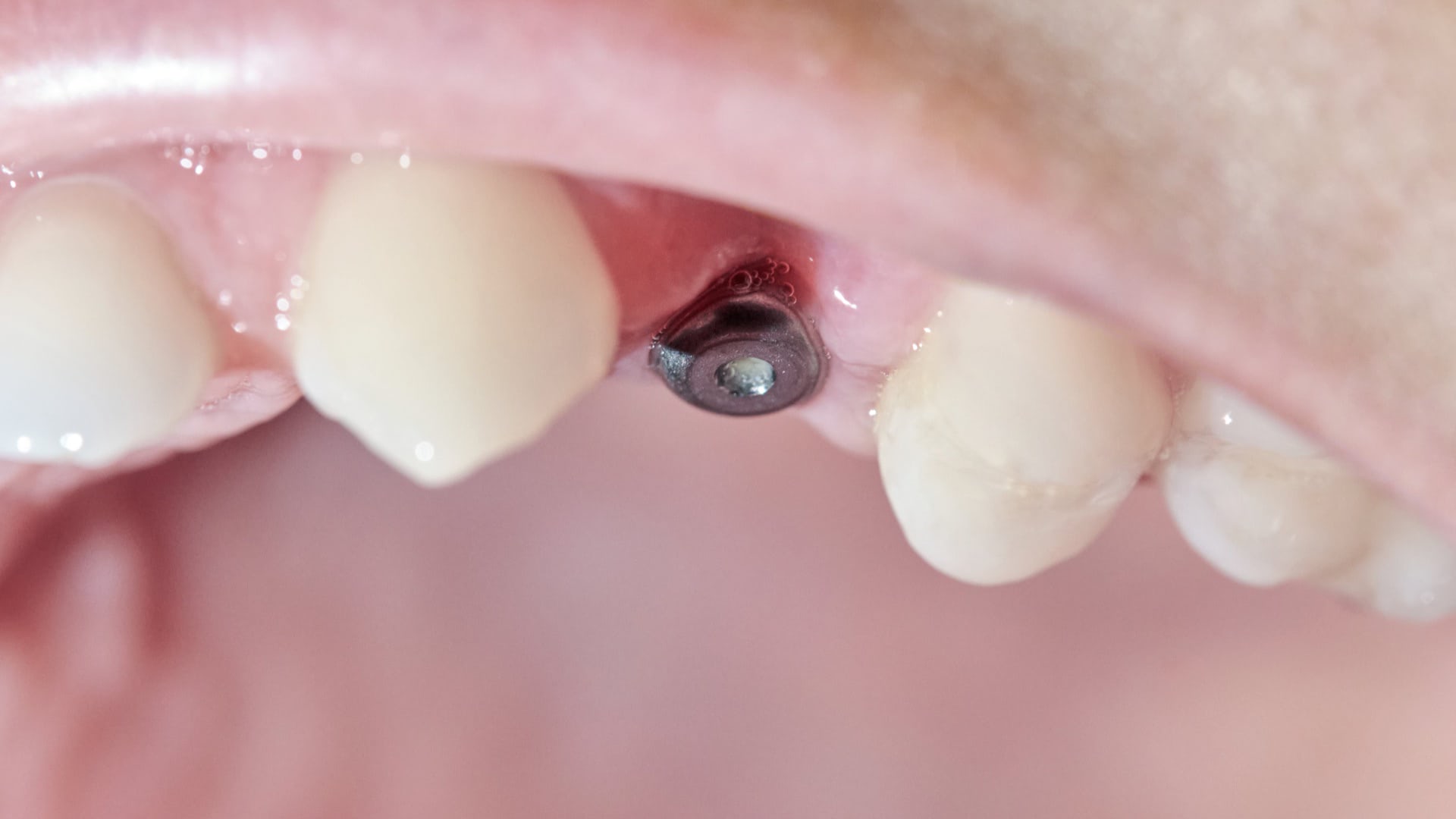
- Implantology: Without healthy gingival tissues and adequate bone support, the success rate of dental implants may decreases.
- Orthodontics: Gingival inflammation can complicate the orthodontic treatment process.
- Prosthetic dental treatments: Gingival recession may lead to aesthetic and functional discrepancies at the margins of dental prostheses.
Therefore, in comprehensive dental treatments, periodontal evaluation always constitutes the initial stage.
Periodontology is a dental specialty that focuses on maintaining the health of the tissues supporting the teeth and restoring lost structures. Early diagnosis of periodontal diseases, along with regular oral hygiene practices and professional dental examinatios, helps preserve long-term oral health. Periodontal treatments are essential not only for achieving an aesthetic smile but also for maintaining oral and overall systemic health.