
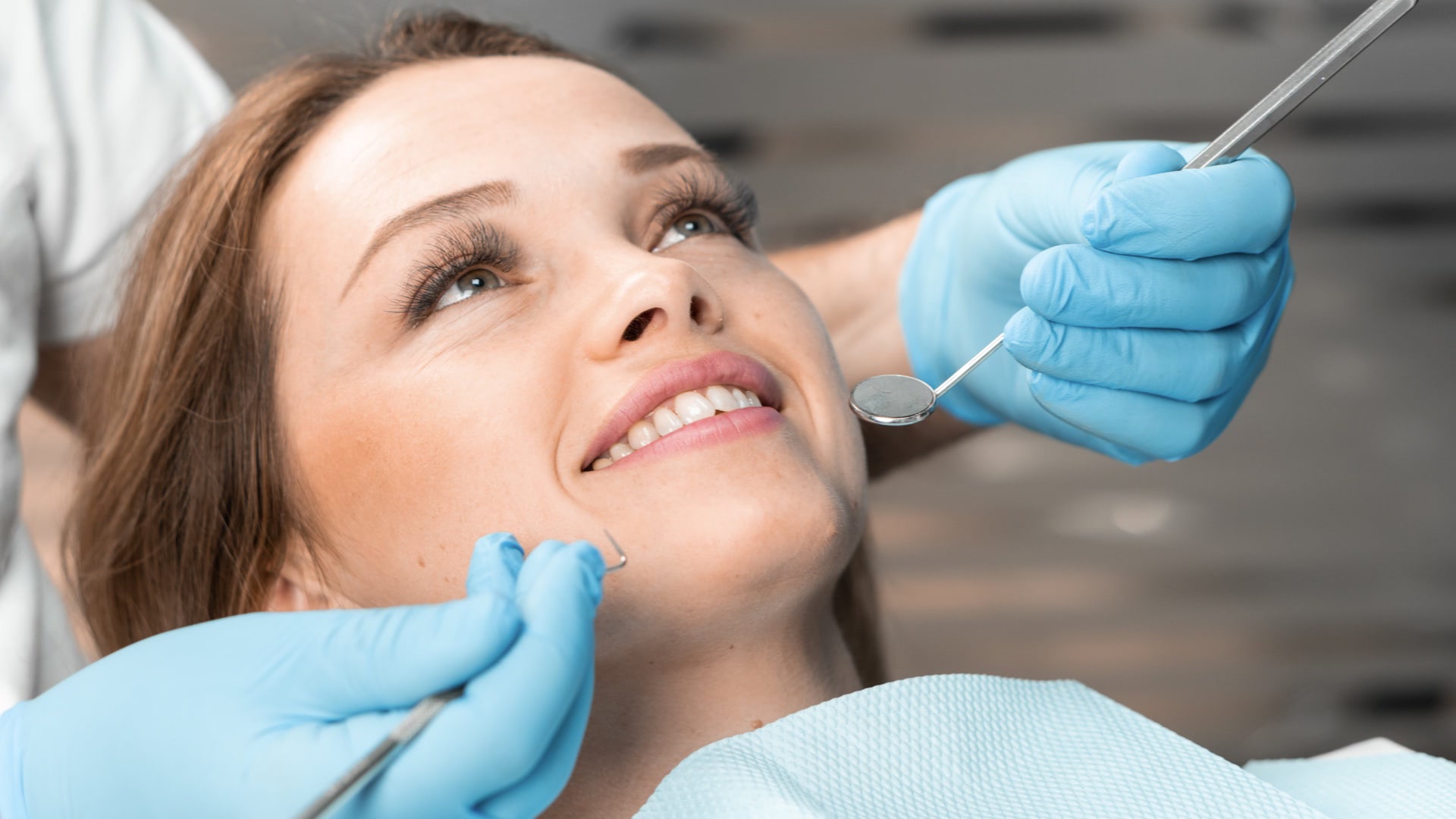
Bonding applications are a minimally invasive dental procedure in which composite filling material is applied to the tooth surface to achieve aesthetic and structural corrections. This procedure is commonly used to correct tooth discoloration, minor fractures, abrasion, or small diastemas in the teeth. Due to its ability to provide a natural-looking result, be completed in a single visit, and preserve the tooth structure, dental bonding is a frequently preferred technique in modern aesthetic dentistry.
Purpose and Areas of Usage for Bonding Treatment
Dental bonding enables minor aesthetic and functional corrections quickly and economically compared to prosthetic treatments. It is commonly used in the following situations:
- Repair of minor fractures or cracks in anterior teeth
- Closure of tooth diastemas
- Correction of tooth discoloration
- Lengthening of teeth or correction of tooth shape
- Restoration of enamel surface abrasion
Bonding provides an aesthetic appearance without disturbing the natural structure of the tooth. Especially in young patients, it is preferred as a temporary or long-term solution instead of permanent restorations like laminates or crowns.
The Bonding Application Process
The bonding process is generally completed in a single session, lasting approximately 30 to 60 minutes. Local anesthesia is often not required because tooth tissue is usually not abraded during the procedure. The application steps are as follows:
- Color Selection: The composite material closest to the natural tooth color is selected.
- Surface Preparation: The tooth surface is etched with a special acid to ensure stronger bonding of the composite to the tooth.
- Bonding Agent Application: A thin bonding layer is applied to the tooth surface.
- The composite filling is applied in layers and shaped according to the tooth form.
- Light-Curing (Polymerization): The material is hardened with an LED device.
- Final Touch and Polishing: The surface is smoothed and polished to achieve a natural shine.
The procedure results in an aesthetic appearance that matches the tooth’s surface texture and color.
Bonding Materials and Their Properties
In bonding applications, tooth-colored materials called composite resin, which are hardened with light, are used. The properties of these materials include:
- High aesthetic performance and color matching
- Strong bonding capability to the tooth enamel structure
- A polishable surface structure
- Resistance to abrasion
New-generation nanohybrid composites offer superior color stability and surface durability compared to conventional materials. Additionally, they have a wide shade range that enables precise matching with natural tooth color.
Advantages and Disadvantages of Bonding Application
Advantages:
- It can be completed in a single session.
- No damage is done to the tooth tissue, or very little abrasion is performed.
- More cost-effective compared to ceramic crowns.
- A reversible procedure, which can be revised if necessary.
- Immediate aesthetic results are obtained.
Disadvantages:
- Color change or dulling may be seen over time.
- Habits such as biting hard foods or nail-biting can increase the risk of chipping.
Therefore, regular care and professional examinations are recommended after the bonding procedure.
Care and Long-Term Use
The lifespan of a bonding application is between 5 and 10 years; this period varies depending on the quality of the material used and the patient's oral care habits.
For long-lasting use:
- Hard foods (ice, seeds, pens, etc.) should not be bitten.
- After consuming acidic or staining beverages (coffee, wine, or tea), the teeth should be brushed.
- Patients with bruxism should use a night guard.
- Professional scaling and polishing should be done at least once a year.
With proper care, bonding applications can maintain their aesthetic integrity for many years as an alternative to advanced restorations like laminate veneers.
Bonding application is one of the most practical methods in aesthetic dentistry for achieving a natural appearance with minimal intervention. In teeth that are fractured, abraded, or discolored, it provides a fast, aesthetic, and cost-effective solution while preserving the natural tooth tissue. With appropriate material selection, meticulous application, and regular care, bonding treatments can achieve high success both in terms of aesthetic smile and functional performance.