
Endodontics is a branch of dentistry that deals with the diagnosis and treatment of diseases affecting the pulp tissue (nerve and blood vessels) located in the inner part of the tooth. This procedure,which is commonly known as “root canal treatment,” aims to save the tooth without extraction. Endodontic treatments today can be performed quickly, painlessly, and with long-lasting results, thanks to advanced imaging systems, precise measuring tools, and modern filling materials.
What is Endodontics and Why is it Necessary?
The dental pulp, located in the inner part of the tooth, contains the nerves and blood vessels that keep the tooth alive. This tissue can become inflamed (pulpitis) due to deep cavities, trauma, or advanced gum disease. If it is left untreated, the infection can progress to the root apex and spread to the surrounding bone, which may lead to an abscess.
The primary goals of root canal treatment are:
- Cleaning infected tissue.
- Preventing the spread of infection.
- Preserving the natural structure and function of the tooth.
This procedure is performed by removing the infected tissue from within the root canal, disinfecting the space, and sealing it tightly instead of extracting the tooth.
Root Canal Treatment Process
Root canal treatment is usually completed in 1 to 2 sessions. Before treatment, the length and structure of the root canals are analyzed using digital X-rays or Digital Volumetric Tomography (CBCT).
Treatment Stages:
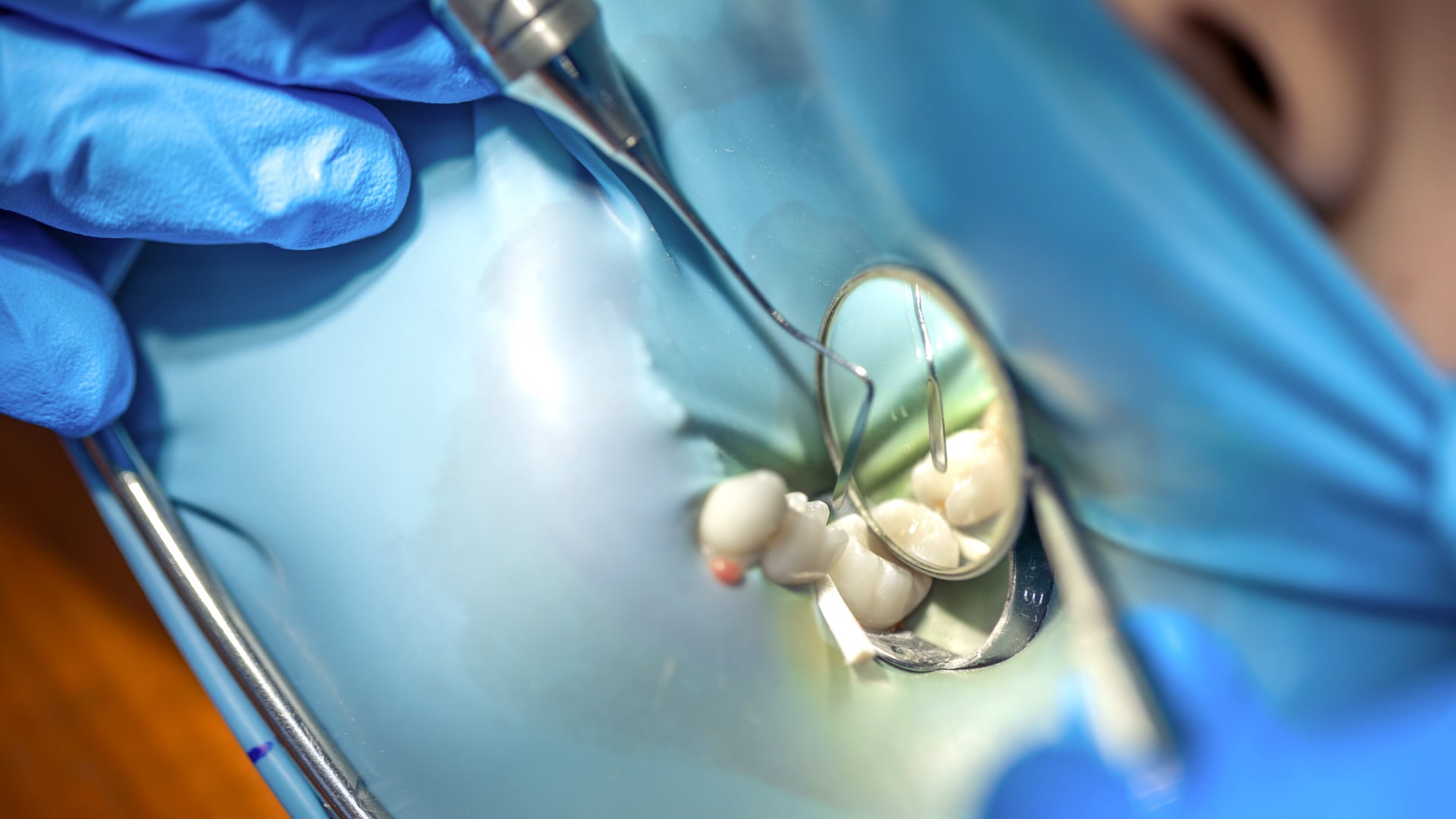
- Anesthesia and isolation: The tooth is anesthetized, and the treatment area is isolated with a barrier called "rubber dam".
- Access to the pulp chamber: A small access opening is created in the tooth enamel.
- Canal Cleaning and Shaping: The infected pulp tissue is removed, and the canal system is cleaned using special rotary instruments.
- Disinfection: The root canal is irrigated with special antiseptic solutions.
- Root Canal Filling: The space is filled with a biocompatible material called gutta-percha to ensure a tight seal.
- Coronal restoration: The upper part of the tooth is restored with a composite filling, onlay, or crown.
Modern endodontic devices increase treatment success by electronically measuring the canal length. Laser-assisted systems also enhance the effectiveness of disinfection.
Equipment and Modern Techniques
Today, endodontics is a field that requires precision at the microscopic level. Microscope-assisted endodontics allows the internal canal structures to be treated under magnified visualization.
Modern Equipment and Techniques Used:
- Electronic apex locator: Determines the canal length with millimetric precision.
- Nickel-titanium rotary instruments: Provide flexibility and efficiency in canal cleaning.
- Laser disinfection: Offers a high success rate in bacterial elimination.
- Thermoplastic Filling Systems: Enhances the sealing of the canal filling.
Thanks to these technologies, root canal treatments are no longer the long and painful procedures they once were.
Post-Treatment Care and Considerations
Mild sensitivity lasting a few days after root canal treatment is normal. During this time, excessive pressure should be avoided on the tooth, and pain relievers can be used if necessary.
Precautions:
- Avoid hot foods for the first 24 hours.
- Do not take antibiotics without the dentist’s advice.
- Avoid putting pressure on the tooth with hard foods before a filling or crown is placed.
- Use a protective night guard if you have a teeth-grinding (bruxism) habit.
After the treatment is completed, the goal is for the tooth to become completely pain-free and to regain its full function. Regular examinations help ensure the long-term success of the treatment.
Success Rate and Alternatives of Endodontic Treatment
Root canal treatment has a success rate of over 90% when performed with the correct technique. After treatment, the tooth can be used healthily for years. However, extraction may be necessary in cases of advanced root fractures, deep jaw infections, or extensive bone loss. As alternatives, an implant, bridge or removable prosthesis can be used to replace the extracted tooth. Therefore, preserving the tooth through root canal treatment is generally more advantageous from a functional perspective.
Endodontics is a field of treatment that aims to preserve the natural tooth in the mouth by protecting its internal structure. Thanks to modern devices, microscopic imaging, and biocompatible materials, root canal treatments can now be performed quickly, comfortably, and with lasting results. A root canal treatment performed in a timely manner helps prevent tooth extraction and contributes to maintaining oral health for many years.