

Blog
Daily Care for Fixed and Removable Prostheses: A Complete Guide for Long-Term Use
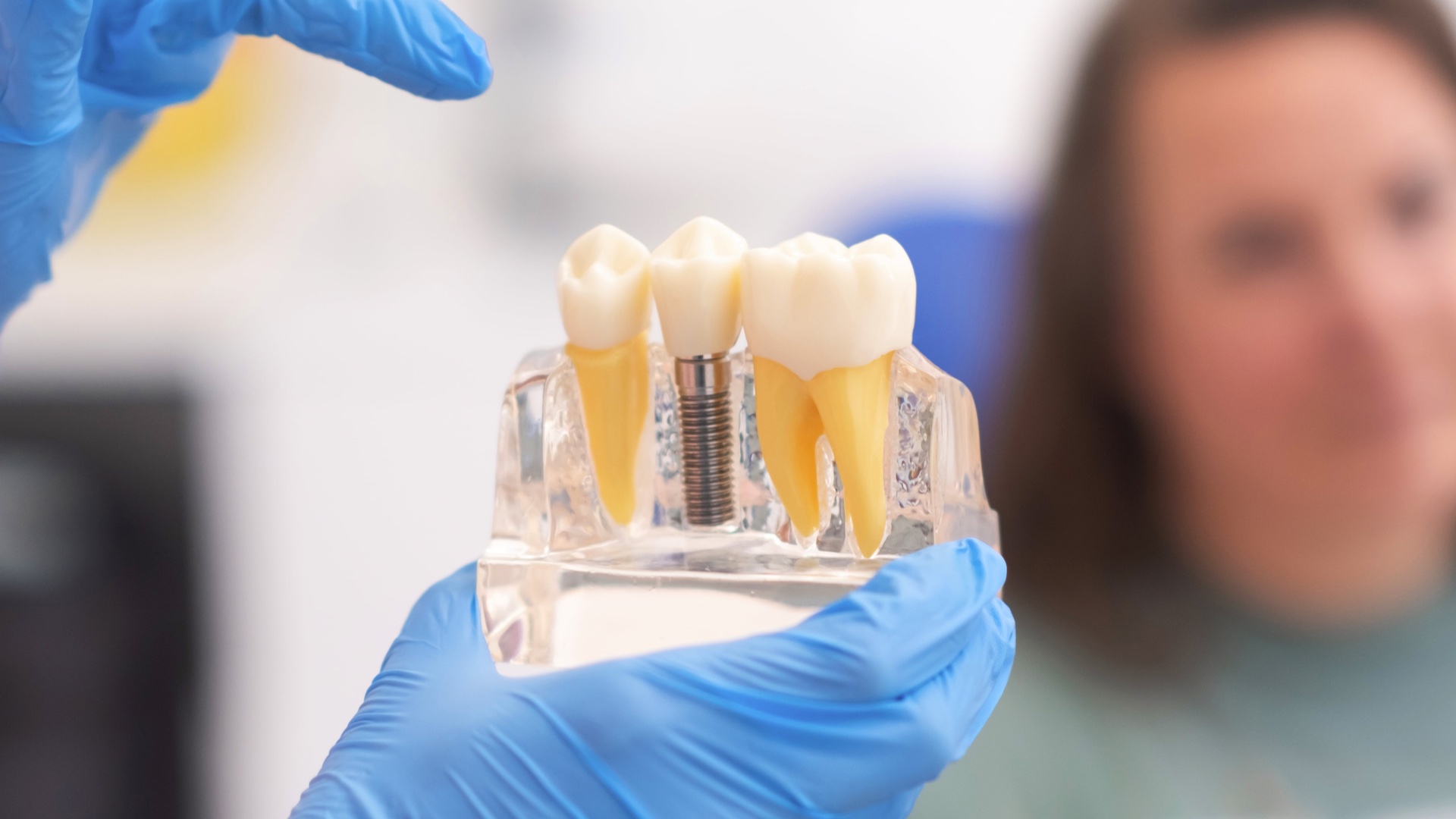
Prosthesis Care is the Continuation of Oral Health
Dental Prostheses are artificial structures that restore the function, aesthetics, and speech abilities of missing teeth. However, getting a prosthesis is not the end of the process—it is the beginning of maintenance.
Whether fixed (bridges or implant-supported crowns) or removable (dentures), inadequate care can lead to the following:
- Halitosis (bad breath)
- Gingival inflammation
- Fungal infections under the prosthesis
- Premature prosthesis deformation
"A prosthesis gains longevity not on the day it is placed, but on the day it is properly cleaned."
Daily Care for Fixed Prostheses (Crowns and Bridges)
Fixed prostheses are permanently bonded to the mouth and cannot be removed. Therefore, their cleaning must be more meticulous than that of natural teeth.
a. Brushing Technique
- Use a soft-bristled toothbrush.
- Brush along the gingival margin at a 45° angle using small circular motions.
- Reach beneath the prosthesis (e.g., under the bridge pontic) using superfloss or an interdental brush.
What is Superfloss?
Superfloss is a specially designed dental floss with a stiffened tip and a spongy middle section. It is ideal for cleaning the spaces under bridges.
b. Use of Mouthwash
- Prefer alcohol-free antiseptic mouthwashes.
- For daily use, choose formulations with a low chlorhexidine (0.05–0.1%).
c. Water Flosser
Cleans under prostheses and interdental areas using water pressure. It is particularly effective for implant-supported bridges.
According to the Journal of Clinical Periodontology (2022), patients with fixed prosthesis who used an oral irrigator experienced 60% less gingival bleeding.
d. Warnings
- Avoid abrasive toothpaste on porcelain-supported metal restorations.
- If bruxism is present, use an occlusal splint.
Daily Care for Removable Prostheses
Removable prostheses (complete or partial) restore missing teeth but provide a surface prone to plaque accumulation. Therefore, both the prosthesis and the oral cavity must be cleaned regularly.
Daily Cleaning
- Clean the prosthesis at least twice a day, in the morning and evening.
- Use lukewarm soapy water or a specialized denture cleaning tablet.
- Do not use regular toothpaste, as it is abrasive.
Proper Cleaning Technique:
- Hold the prosthesis over a sink filled with water or a towel to prevent breakage if dropped.
- Gently brush with a soft denture brush.
- Soak in a tablet solution for 15–20 minutes, rinse, and then place back in the mouth.
b. Is Wearing Dentures Overnight Harmful?
Yes. Prostheses worn for prolonged periods can lead to fungal infections (Candida albicans).
Therefore:
- Always remove the prosthesis at night.
- Allow the oral cavity to rest with the mouth open.
- Store the prosthesis in a container filled with water to prevent drying.
According to the Oral Health Journal (2021), patients who wear dentures overnight have a fourfold increased risk of oral candidiasis.
c. Oral and Tongue Hygiene
After removing the prosthesis:
- The gingiva, tongue, and palate should be cleaned using a soft brush.
- This practice enhances blood circulation and helps maintain tissue health.
Special Considerations for Implant-Supported Prostheses
Implants are anchored similarly to natural tooth roots; however, they are surrounded by a delicate tissue known as the “peri-implant mucosa.”Therefore, both tooth and implant cleaning should be targeted in care.
a. Cleaning Aids
- Electric toothbrush with a compact head
- Implant floss
- Oral irrigator (especially with a 45° angled tip)
b. Warnings
- Aggressive brushing may lead to soft tissue recession around the implant.
- Interdental brushes with metal cores should be avoided.
According to Clinical Implant Dentistry Review (2023), the incidence of peri-implantitis decreases by 70% in individuals who perform regular implant hygiene.
Common Mistakes and Correct Practices
- Mistake: Cleaning the prosthesis with toothpaste
Consequence: Scratching and abrasion
Recommended Practice: Use soapy water or denture cleaning tablets - Mistake: Overnight use of the prosthesis
Consequence: Fungal infection
Recommended Practice: Remove at night and store in water - Mistake: Aggressive brushing with a hard-bristled brush
Consequence: Fracture and deformation
Recommended Practice: Use a soft denture brush - Mistake: Not using mouthwash
Consequence: Halitosis
Recommended Practice: Use an alcohol-free antiseptic mouthwash - Mistake: Non-attendance at follow-up appointments
Consequence: Prosthesis-fitting issue, intraoral lesions
Recommended Practice: Attend dental check-ups every 6 months
Prosthesis Care Requires Daily Discipline
Prostheses substitute for teeth, yet proper oral hygiene remains fundamental for their care. Daily care not only prolongs the lifespan of the prosthesis but also helps prevent halitosis, infections, and tissue loss.
Regular cleaning + proper technique + professional follow-up → Long-lasting and healthy prosthetic function.
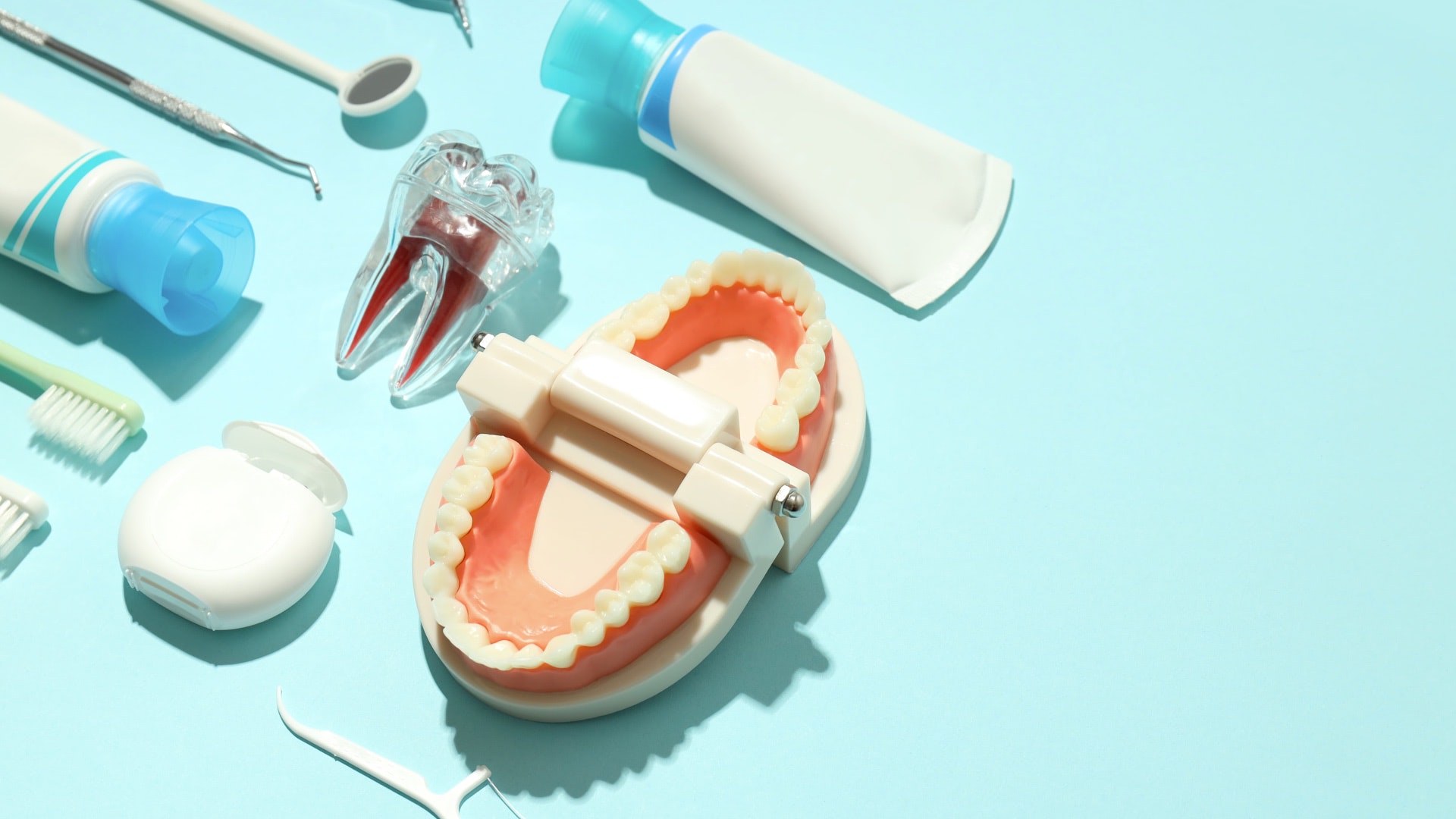
Why is the 45° angle important in toothbrushing technique? How does the 2-minute rule affect gingival health? A detailed step-by-step correct brushing guide from experts.
Detailed Information



Stay Connected with Us
Do you need help? Contact Us