

Blog
Fluoride, Fissure Sealants, and Varnish in Children: A Protective Trio Against Dental Caries
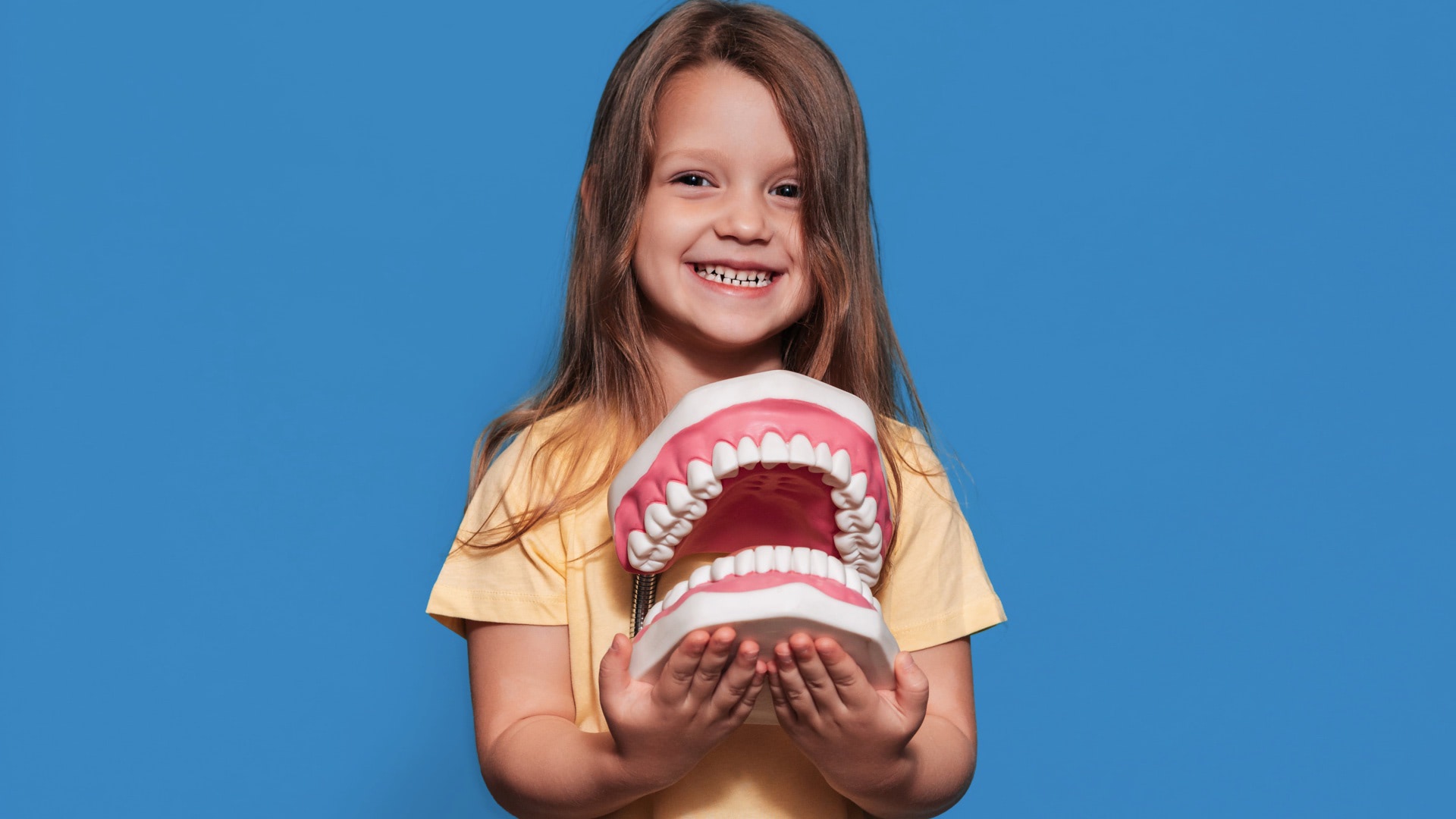
A New Era in Preventive Dentistry
Dental caries is recognized as the most common chronic disease in children. However, the positive aspect is that, with modern preventive dentistry, a significant proportion of cavities can be prevented before they even start.
This serves as the foundation for the protective triad:
- Fluoride applications
- Fissure sealants
- Varnish treatments
Each operates through distinct mechanisms; strengthening the enamel, inhibiting bacterial adhesion, and enhancing resistance to dental caries.
Fluoride Applications: A Protective Shield Strengthening Enamel
Fluoride is a mineral that enhances the natural defense mechanisms of dental enamel. It interacts with calcium and phosphate on the tooth surface to form fluorapatite. This structure is more resistant to acid attacks.
a. Mechanism of Action of Fluoride
- Acids weaken enamel → Fluoride inhibits demineralization.
- It promotes the deposition of new minerals → Remineralization is enhanced.
- It inhibits bacterial metabolic activity → Plaque activity is reduced.
b. Fluoride Application Methods
Topical Fluoride:
Applied directly to the tooth surface (varnish, gel, mouthwash, or toothpaste).
Systemic Fluoride:
Administered via fluoridated water or tablets (currently rarely preferred).
c. Frequency of Fluoride Application
- In children with low caries risk: every 6 months
- In children with high caries risk: every 3 months
According to the American Academy of Pediatric Dentistry (AAPD, 2023), regular professional use of fluoride lowers caries risk in children by 43%.
d. Recommendations for Parents
Fluoride toothpaste should be used at home:
- Ages 0–3: a rice-grain-sized amount
- Ages 3–6: a pea-sized amount
Excessive fluoride may cause white spotting (dental fluorosis). The dosage should always be determined under dental professional supervision.
Fissure Sealants: The Enemy of Hidden Caries
In children, dental caries most commonly begins on the occlusal surfaces of molars. Fissures in these areas cannot be adequately cleaned with brushing alone. Fissure sealants play a critical role in these regions.
a. What is it and How is it Applied?
Fissure sealants are thin, transparent protective layers applied to the occlusal surface of teeth. The procedure is painless, requires no anesthesia, and typically takes only 5–10 minutes.
Procedure Steps:
- The tooth surface is cleaned and dried.
- The enamel is etched using a special gel.
- The fissure sealant material is applied.
- It is polymerized using a curing light.
b. What is the duration of effectiveness?
- Provides protection for an average of 3 to 5 years.
- It can be checked annually and renewed if necessary.
c. Advantages
- Protects the anatomical structure of the dental anatomy.
- Prevents plaque and bacterial accumulation.
- It is a completely painless procedure for children.
According to a Cochrane Review (2021) meta-analysis, children who received fissure sealants showed an 80% lower incidence of caries after 4 years.
d. Which Teeth is it Applied to?
- Especially the 6-year molars (First permanent molar)
- The 12-year molars (Second permanent molar)
- Premolar teeth with deep fissures
Fluoride Varnish: An Extended-Effect Protective Barrier
Fluoride varnish is a material containing a high concentration of fluoride. It is applied to the tooth surface with a brush and provides effective protection for 12–24 hours.
a. Application Features
- The procedure is completed within 2–3 minutes.
- Its neutral or fruity flavor enhances children’s compliance.
- It is recommended to avoid drinking water for 30 minutes after the application.
b. Advantages
- Prolongs the retention of fluoride on the tooth surface.
- Exhibits a desensitizing effect.
- May be safely applied to children aged over 1 year.
c. Frequency of Application
- Low risk: 2 times a year.
- High risk: 3–4 times a year.
According to a British Dental Journal (2022) study, fluoride varnish application reduced the incidence of caries in school-aged children by 37%.
When Preventive Applications are Applied in Combination
When the trio of Fluoride + Fissure Sealant + Varnish comes together, the success of caries prevention in children reaches its maximum level.
Protection Effect:
According to the Journal of Pediatric Dentistry (2023) data, the incidence of dental caries decreased by 82% within 5 years in children treated with this triple protocol.
Small Interventions, Big Smiles
Fluoride, fissure sealant, and varnish applications are the safest and most effective ways to maintain dental health in children.
Thanks to these methods, both the development of early childhood caries is prevented and the need for procedures such as tooth extraction or fillings is reduced. When combined with regular dental check-ups, proper nutrition, and daily brushing habits, these protective applications form the basis of a child's long-term oral health.
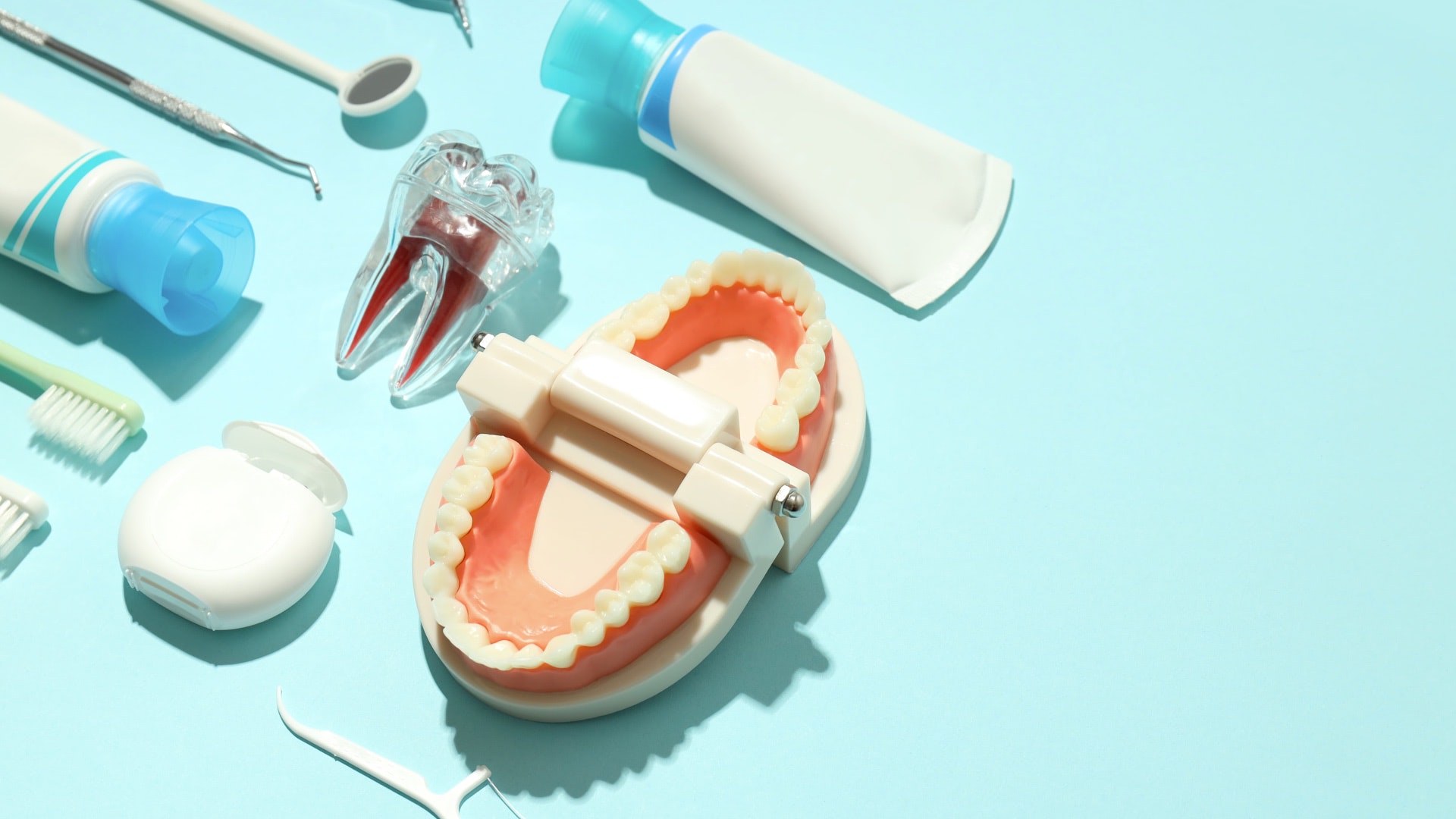
Why is the 45° angle important in toothbrushing technique? How does the 2-minute rule affect gingival health? A detailed step-by-step correct brushing guide from experts.
Detailed Information






Stay Connected with Us
Do you need help? Contact Us