

Blog
Gingival Bleeding: Home Monitoring and Clinical Treatments
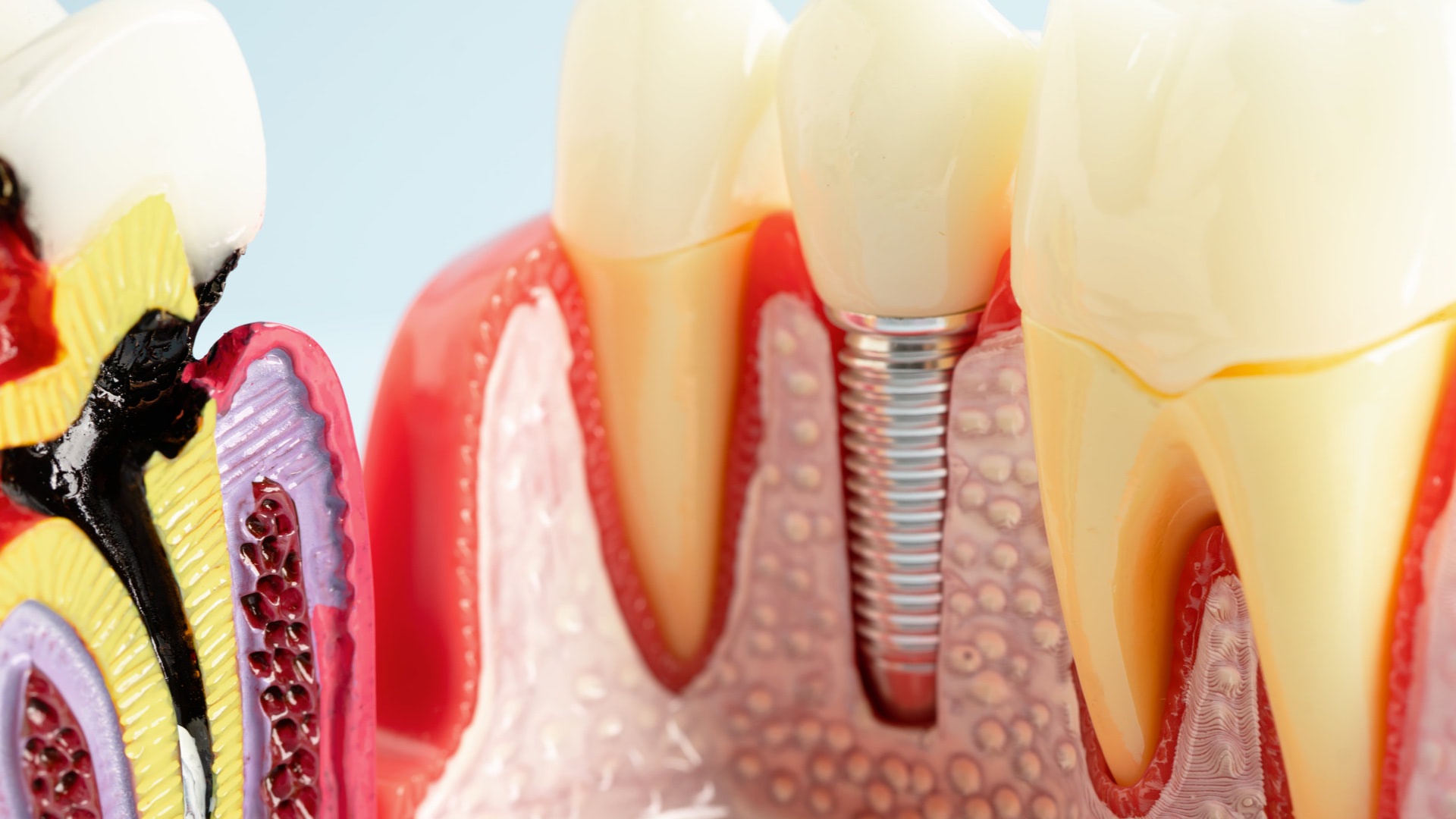
“Do Not Overlook Bleeding During Toothbrushing, Even If It Appears Temporary”
Gingival bleeding is often overlooked, yet it represents one of the earliest and most significant signs of periodontal disease. Many individuals attribute this condition to “hard brushing” or “temporary sensitivity.” However, it may indicate an underlying, silently progressing inflammatory process within the oral cavity. Chronic gingival bleeding, if left untreated, may lead to periodontitis, resulting in loss of the bone surrounding the structures of the teeth. This represents a serious condition that may progressively lead to tooth loss over time.
In this article, we will systematically examine the causes of gingival bleeding, appropriate at-home care strategies, and professional treatment modalities implemented in clinical practice.
Why Does It Happen? The Scientific Background
The primary cause of gingival bleeding is the accumulation of bacterial plaque on the gingival tissues. Plaque is a soft biofilm composed of food debris and microorganisms. If not properly cleaned, this layer can harden over time and develop into dental calculus.
In response to this accumulation, the gingival tissues become inflamed—a condition known as gingivitis.
Typical Clinical Signs:
- Bleeding during tooth brushing
- Gingival edema and erythema
- Halitosis
- Tooth sensitivity during brushing
Other Possible Causes
- Improper brushing technique (excessive force or use of a hard-bristled brush)
- Incorrect use of dental floss
- Hormonal fluctuations during pregnancy, adolescence, or the menstrual cycle
- Tobacco use (may mask inflammation)
- Vitamin C or K deficiencies
- Anticoagulant medications (e.g., aspirin, warfarin)
- Systemic conditions (e.g., diabetes mellitus, leukemia)
As reported in the Journal of Clinical Periodontology (2022), gingival bleeding rates rise to 70% within 10 days among individuals who do not brush regularly, while they decrease to 15% in those who brush correctly twice a day.
Home Monitoring: Six Practical Steps to Minimize Gingival Bleeding
If gingival bleeding is present, the first step should not be to stop toothbrushing, but rather to continue with proper technique. The following steps are effective for early-stage inflammation management at home:
Proper Brushing Technique
- Brush at a 45° angle parallel to the gingival margin using gentle circular motions.
- Avoid hard-bristled brushes; select soft-bristled or “soft” labeled brushes.
- Reduce brushing pressure until gingival bleeding subsides, without compromising brushing duration.
Dental Floss or Interdental Brushes
- Food debris accumulation contributes to the persistence of gingival bleeding.
- Interdental brushes that gently access proximal areas help reduce plaque accumulation.
Use of Antiseptic Mouthwash
- Mouthwashes containing chlorhexidine provide effective results in short-term use (5–7 days).
- Prolonged use should be supervised by a dentist, as it may lead to staining.
Saltwater Mouth Rinse
- Add half a teaspoon of salt to one glass of lukewarm water.
- Rinse gently twice a day, in the morning and evening.
- Provides an antibacterial effect and helps reduce gingival swelling.
Reduce Smoking and Sugary Food Consumption
Nicotine reduces blood flow by constricting gingival blood vessels, thereby delaying healing. Sugar serves as an energy source for plaque bacteria.
Adequate Hydration and Vitamin C
- Water supports bacterial clearance by increasing salivary flow.
- Vitamin C plays a critical role in the regeneration of gingival tissues (e.g., kiwi, orange, strawberry, broccoli).
Clinical Management: When Professional Intervention is Required
If gingival bleeding persists for more than 7 days or worsens, professional dental cleaning and periodontal treatment may be indicated.
a. Dental Scaling
- Supragingival and subgingival calculus is removed using ultrasonic instruments.
- This procedure eliminates bacterial load and stops gingival inflammation.
- Most patients observe a reduction in bleeding within one week following cleaning.
b. Root Planing
In advanced cases, complete removal of subgingival bacterial plaque and calculus is necessary. This procedure is performed under local anesthesia.
c. Laser-Assisted Treatment:
Laser energy is applied to eradicate bacteria in the gingival tissues and to accelerate tissue regeneration. The procedure offers a less painful experience with no bleeding.
d.Assessment of Systemic Factors
If gingival bleeding persists despite optimal oral care, the dentist should evaluate systemic factors, such as vitamin deficiencies, medication use, or underlying conditions like diabetes.
Bleeding as a Warning Sign
Gingival bleeding is not caused by incorrect toothbrushing; it is the body’s way of alerting you to a problem. Recognizing this warning promptly is the most effective way to prevent future tooth loss.
With proper at-home care and regular dental check-ups:
- Periodontal diseases can be largely prevented.
- Halitosis is reduced.
- Tooth supporting tissues are strengthened.
View gingival bleeding as an early warning, not a temporary issue- because gingival tissues never bleed without cause.
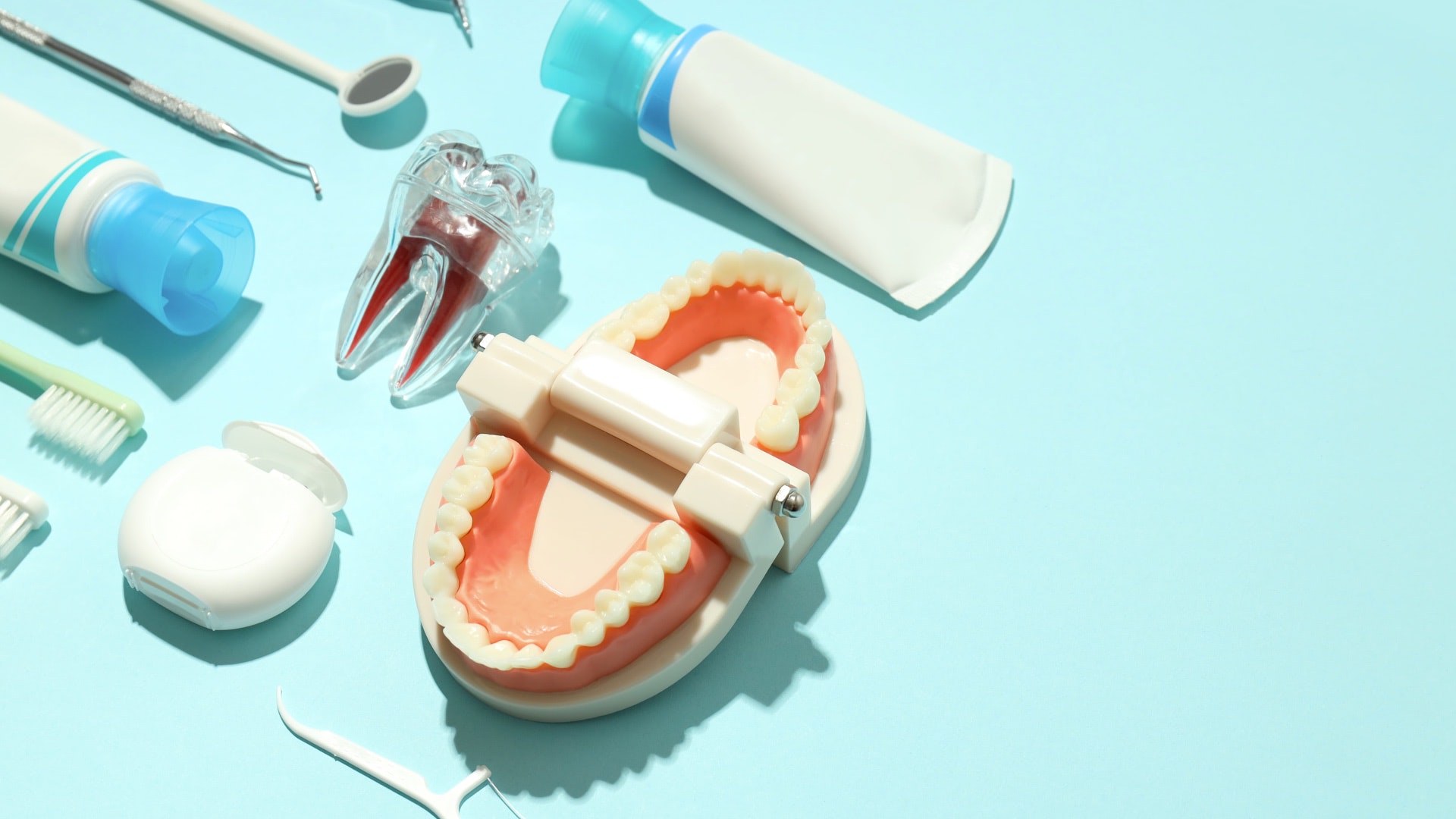
Why is the 45° angle important in toothbrushing technique? How does the 2-minute rule affect gingival health? A detailed step-by-step correct brushing guide from experts.
Detailed Information






Stay Connected with Us
Do you need help? Contact Us