

Blog
Home Exercises for TMJ: Movements to Strengthen and Relax the Jaw Joint
TMJ Pain Affects Not Only the Jaw but Also Quality of Life
The temporomandibular joint (TMJ) is a complex structure that connects the mandible to the skull. This joint regulates hundreds of micro-movements, including chewing, speaking, and swallowing. This joint, which opens and closes more than 2,000 times per day on average, can be strained due to stress, malocclusion, or trauma.
- Pain and clicking sounds in the jaw joint
- Morning headaches
- Limited mouth opening
- Tension in the neck and temporal region
This condition is referred to as “TMJ dysfunction.” Although the treatment plan may include clinical interventions, home exercises constitute an essential supportive component of the process.
Basic Causes of TMJ Disorders
TMJ problems are generally muscle-based (myofascial), joint-based (disc displacement, trauma), or mixed type.
Most Common Causes:
- Bruxism
- Stress and muscle tension
- Improper posture (especially long hours at a desk)
- Unilateral (one-sided) chewing habits
- Tooth alignment disorders
- Accidents or sudden mouth-opening movements
According to a study published in the Journal of Oral Rehabilitation (2022), 70% of TMJ disorders are muscle-related, and significant improvement is observed within 6–8 weeks with regular exercise.
Effective Home Exercises for TMJ
These exercises are designed to restore muscle balance, increase range of motion, and reduce pain. They should be performed 2–3 times per day, with each one lasting 5–10 minutes.
Note: If severe pain, jaw locking, or increased clicking occur, the exercises should be paused, and a dentist should be consulted.
Daily Habits Supporting TMJ Exercises
Awareness of daily behaviors is as crucial as the exercises themselves for TMJ recovery.
a. Avoid Tooth Contact
During the day, the lips should be closed, but the teeth should not contact each other. Even this small adjustment can significantly reduce muscle load.
b. Avoid Unilateral Chewing
Constantly chewing on the same side disrupts joint balance. Alternate sides during each meal.
c. Avoid Hard Foods
Foods such as nuts, tough meat, and chewing gum place an excessive load on the joint.
d. Reduce Stress
TMJ pain often reflects physical manifestations of mental stress. Practices such as meditation, breathing exercises, or short walks can help alleviate muscle tension.
Clinical Support and Professional Follow-ups
Although home exercises form the foundation of TMJ disorders, professional intervention may be required in certain cases.
In indicated cases:
- Jaw locking (inability to fully open the mouth)
- Unilateral deviation during jaw opening
- Severe joint sounds (clicking, crepitus)
- Pain radiating to the neck or head
In these cases, possible clinical interventions:
- Physical therapy modalities: ultrasound, hot–cold therapy
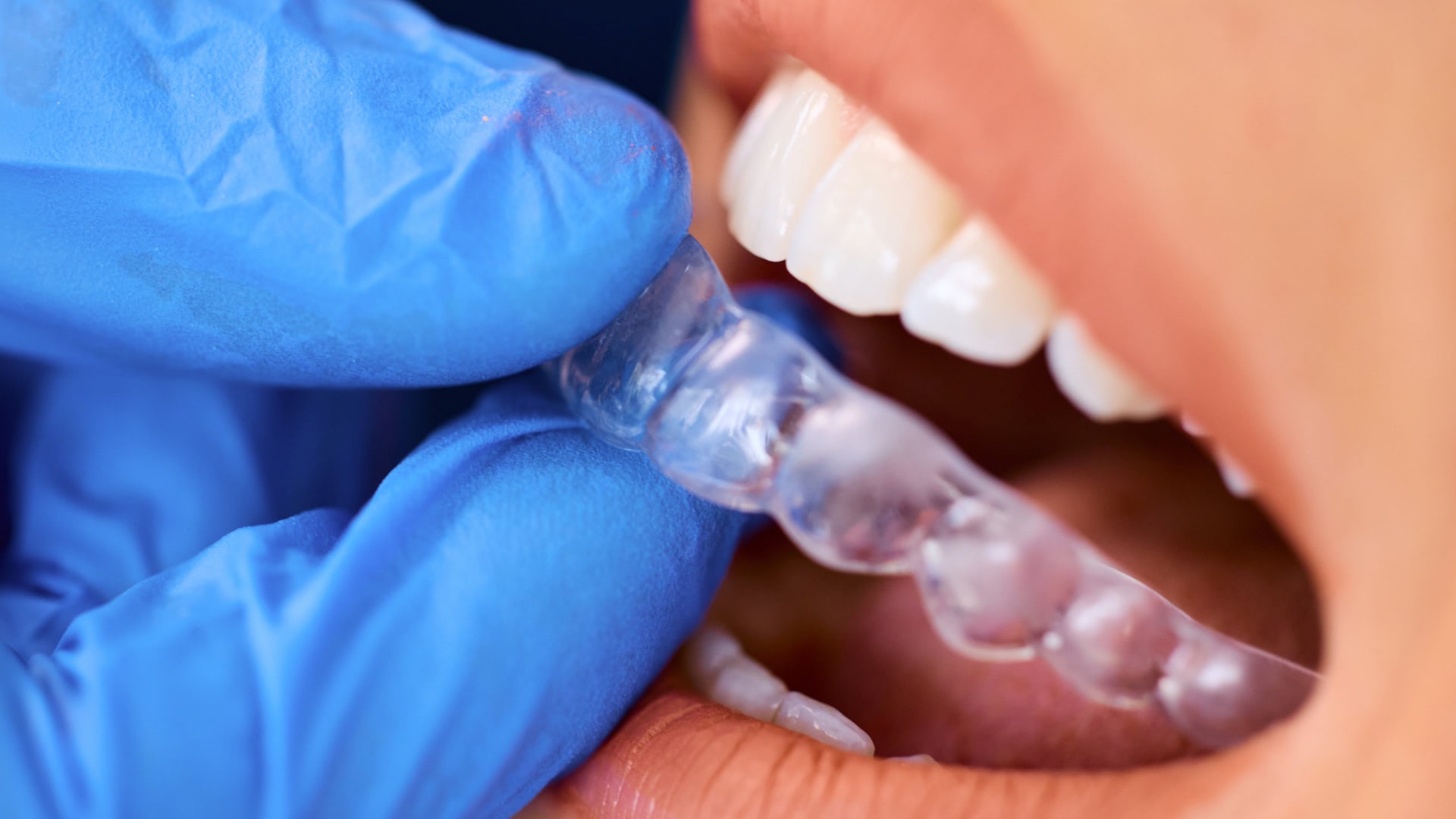
- Night guard (splint): reduces the pressure on the joint
- Muscle relaxant injections (e.g., Botox): decrease excessive muscle activity
According to a study published in the Journal of Temporomandibular Disorders (2021), the combination of home exercises and night splint use reduced pain intensity by 72%.
Significant Relief Through Small Exercises
TMJ disorder is a condition that can impact quality of life, but can be effectively managed with an appropriate approach. Daily exercises, regular posture control, and stress management help relax the jaw joint and reduce pain. With regular awareness and disciplined practice, both muscle tightness and joint discomfort can noticeably decrease within a few weeks.
Why is the 45° angle important in toothbrushing technique? How does the 2-minute rule affect gingival health? A detailed step-by-step correct brushing guide from experts.
Detailed Information

Stay Connected with Us
Do you need help? Contact Us