

Blog
Invisalign Treatment Diary: From the First Week to the Third Month
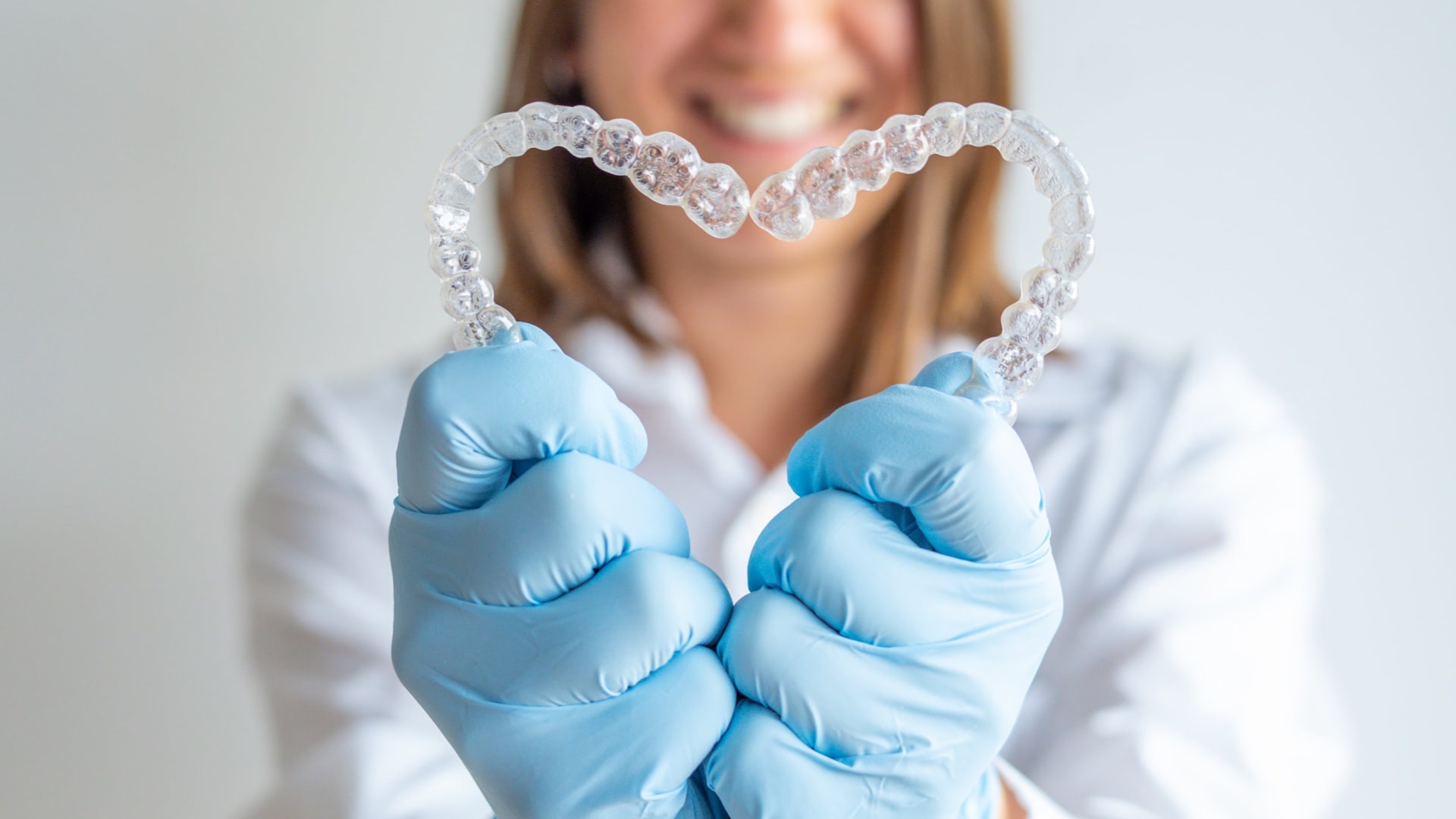
Is it possible to obtain Straight Teeth with Clear Aligners?
Orthodontic treatments are no longer limited to conventional fixed braces. Clear aligner systems, such as Invisalign, can gradually align teeth without metal brackets. This method has become increasingly popular among adults and adolescents with aesthetic concerns, as the aligners are nearly invisible, removable, and digitally planned.
Although Invisalign treatment appears comfortable, the first three months involve an adaptation process. The following provides a detailed overview of the journey from the first week to the third month, considering both the patient’s experience and clinical aspects.
Week 1: Adaptation, Pressure, and Speech Changes
The first days of treatment represent the period in which the body adapts to the new routine.
a. Initial Insertion of the Aligner
When the aligner is first inserted, a mild pressure on the teeth is typically felt. This sensation indicates that the teeth have begun to move. Some patients may experience a “feeling of tightness" during the first 24 hours — this is temporary and completely normal.
b. Speech Changes
During the first few days, slight lisps may occur on sounds such as /s/ and /ʃ/. As the tongue acclimates to the aligners, speech clarity usually returns to normal within 3–5 days.
c. Xerostomia and Increased Salivation
New aligners form a foreign surface within the oral cavity, which may lead to increased saliva secretion; this typically stabilizes within one week.
d. Compliance with wearing and removing the appliance
For optimal effectiveness, aligners should be worn for 20–22 hours a day. They are removed during meals and reinserted after tooth brushing.
"Invisalign is not just a comfortable treatment; it is a disciplined system."
Week 4: Adaptation and Initial Visible Changes
By the end of the first month, most patients adapt to both the aligners and the new routine.
a. Initiation of Tooth Movement
Each new aligner (typically changed every 7–10 days) moves the teeth approximately 0.25 mm. At this stage, minor changes in the smile line may become noticeable.
b. Redistribution of Pressure
While pressure is initially concentrated on the anterior teeth, it gradually shifts to the posterior teeth in subsequent weeks. This is a natural result of the sequential alignment of the teeth.
c. Gingival Adaptation
Temporary gingival erythema or mild irritation may occur at areas where the aligner margins contact the gingiva. If necessary, the dentist may perform trimming.
d.Maintenance of Aligner
Aligners should be cleaned at least once a day using lukewarm water and a soft brush. Hot water should be avoided, as it may cause deformation. Beverages such as coffee and tea may stain the aligners; therefore, they should be removed prior to consumption.
According to the American Journal of Orthodontics (2020), after the first 30 days of treatment, 78% of Invisalign patients reported being “very satisfied” with aesthetics, while 65% described the treatment as “comfortable.”
Month 3: Established Routine and Stable Balance
This period marks the point at which the treatment becomes a "routine". Patients adapt to the aligner change schedule and begin to notice clear results.
a. Noticeable Tooth Alignment
Crowding, particularly in the anterior teeth, shows significant improvement. The difference is now clearly visible in photograph comparisons.
b. Increased Comfort
Discomfort and pressure are minimal. Daily activities are generally unaffected outside of aligner change days.
c. Dietary Habits Stabilize
Patients automatically follow the sequence: remove aligner → eat → brush → reinsert aligner. This habit often leads to an overall improvement in oral hygiene.
d. Follow-Up Appointments
Dental check-ups are usually scheduled every 4–8 weeks. Progress is digitally compared before new aligner sets are provided.
The Journal of Clinical Orthodontics (2022) reported that an average of 40% alignment success is achieved within the first 3 months of Invisalign treatment.
End of Month 3: Noticeable Transformation in the Smile
By the end of the third month, tooth alignment becomes clearly evident. Dental crowding has been corrected, and the smile line has become more balanced.
a. Visual Changes
At this stage, "changes are noticeable" to the patient's close environment. With increased self-confidence, the smile appears more natural.
b. Follow-Up and New Planning
At the end of the third month, a new evaluation is performed using digital treatment planning software. If the desired movement has not been fully achieved in certain teeth, refinement (additional aligner sets) may be planned.
c. Observation of Oral Health
Clear aligners, when combined with proper oral hygiene, may also improve gingival health. Since food accumulation is minimized while aligners are worn, bacterial plaque formation is reduced.
“The third month represents not only aesthetic improvement but also the establishment of lasting habits.”
An Invisible Treatment with Visible Results
Invisalign is not only an aesthetic alternative to braces but also a modern orthodontic system that preserves comfort in daily life. However, its success depends on patient compliance and aligner wear time.
When applied correctly:
- Noticeable alignment is achieved within the first three months
- Oral hygiene improves
- The aesthetic smile profile becomes more defined
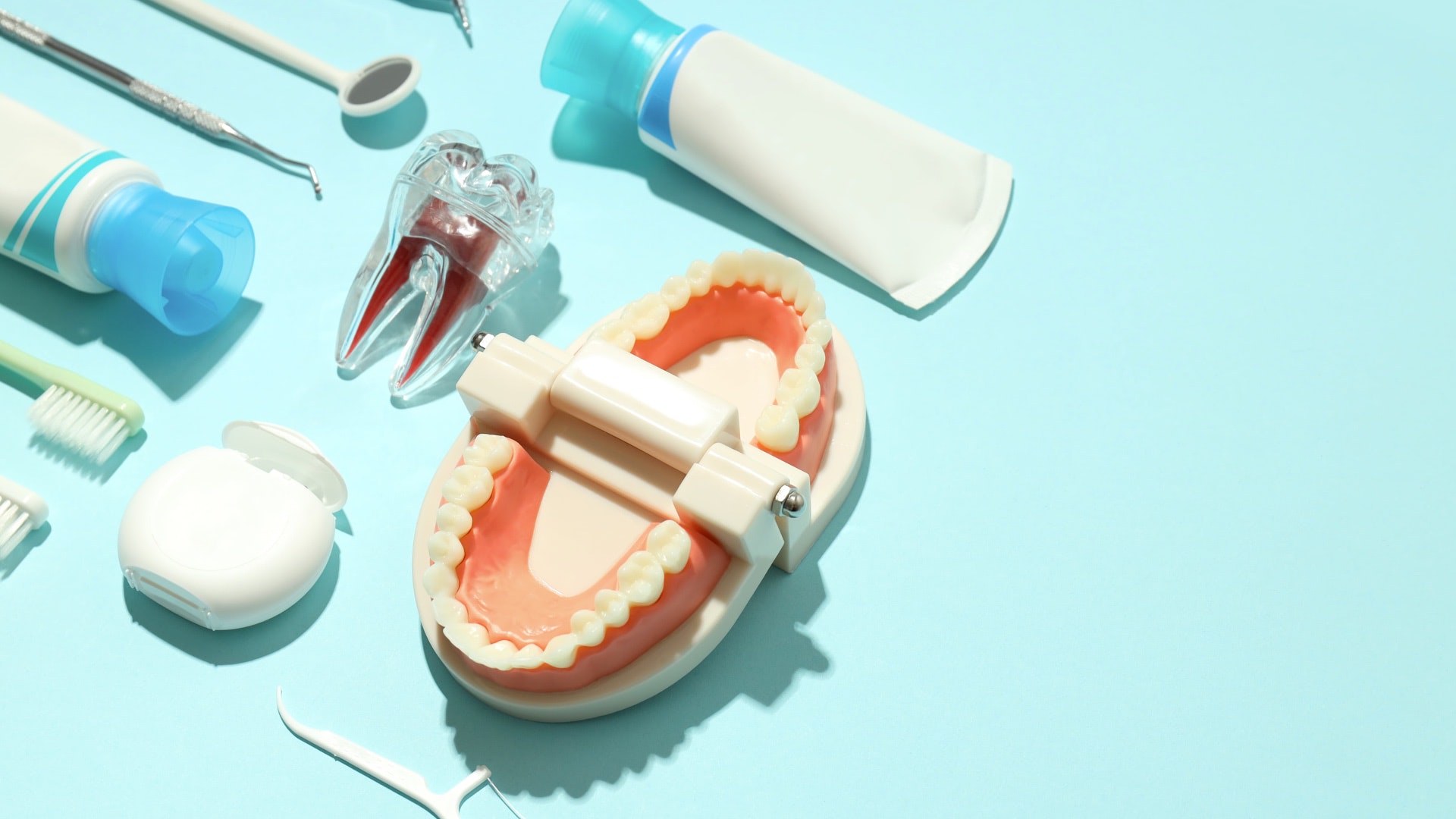
Why is the 45° angle important in toothbrushing technique? How does the 2-minute rule affect gingival health? A detailed step-by-step correct brushing guide from experts.
Detailed Information
Stay Connected with Us
Do you need help? Contact Us