

Blog
Is Pain Normal After Root Canal Treatment?
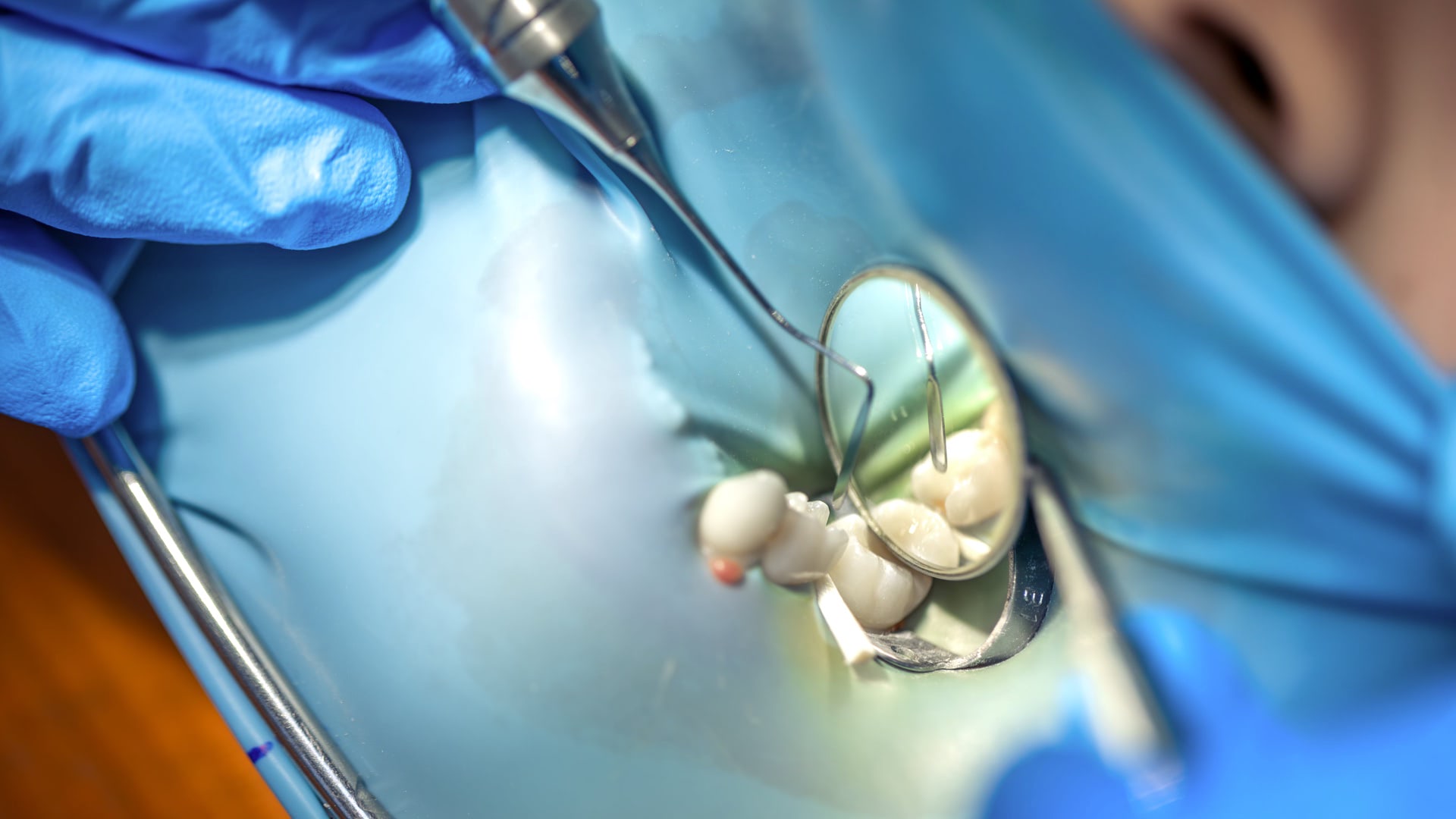
The Treatment Is Complete—But Why Does Pain Persist?
Root canal treatment is a procedure aimed at preserving the tooth by removing infected or necrotic pulp tissue and obturating the root canals. However, many patients may experience pain, throbbing, or chewing sensitivity for a few days following the procedure. In most cases, this represents a normal and temporary phase of the healing process.
Complete resolution of pain is not immediate, as the surrounding neural tissues may respond to pressure changes and residual microscopic inflammation. The key factors to evaluate are the intensity, duration, and characteristics.
Pain during the normal healing process typically subsides within 2–5 days. However, pain that progressively worsens, becomes severe and throbbing, or disrupts sleep may require re-evaluation.
The Scientific Background of Pain: Why Does It Occur?
There are several physiological reasons for postoperative pain following root canal treatment:
a. Postoperative Tissue Inflammation
Canal instrumentation during treatment may cause microscopic trauma to the periapical tissues surrounding the tooth root. This represents a natural immune response, often resulting in transient swelling and sensitivity in the surrounding tissues. Therefore, pain felt especially during chewing is usually due to inflammation.
b. Reaction of Nerve Endings
Although the main nerve supply is removed during root canal therapy, microscopic nerve endings may still be present in the surrounding tissues. These endings may react to pressure or temperature changes, leading to temporary sensitivity.
c. Apical Filling Pressure
During obturation of the canal fillings (gutta-percha), microscopic overflow beyond the apical foramen may occur. This can exert pressure on the surrounding tissues, resulting in a transient throbbing sensation. Generally, this condition resolves spontaneously within a few days.
d. Occlusal (Bite) Contact
Following root canal treatment, the treated tooth may be slightly higher relative to adjacent teeth. In such cases, excessive force is applied during biting, which may exacerbate pain. A simple "occlusal adjustment" is usually sufficient to eliminate the pain entirely.
How Long Is Pain Considered Normal?
The type, duration, and timing of pain are important indicators in determining whether healing is progressing normally or if complications may be present.
In short:
- 2–5 days: considered a normal healing response
- After day 7: a condition requires clinical evaluation
6 Effective Ways to Reduce Pain and Accelerate Healing
- Reduce chewing pressure for the first 48 hours. Avoid chewing hard foods on the treated tooth; excessive occlusal load may increase pain.
- Apply cold compresses. Cold application to the external cheek area at 10–15 minute intervals reduces edema.
- Take painkillers regularly. Medications prescribed by the dentist should be taken as directed; ideally, before pain onset rather than after it begins.
- Perform salt water rinse. Lukewarm salt water can reduce tissue inflammation and provide symptomatic relief (½ teaspoon salt in a glass of water).
- In case of suspected suboptimal fillings, the dentist should be informed. Even minimal occlusal discrepancies may significantly intensify pain.
- Use an occlusal splint if bruxism is present. It prevents re-traumatizing the tooth after treatment.
Not Every Pain Indicates a Problem
Postoperative canal treatment pain is often a natural part of the body's healing process. As tissues repair themselves, a short-term sensation of pressure or throbbing is normal.
However, if the pain progressively increases, is accompanied by facial swelling, or causes nocturnal awakening, the case should be re-evaluated clinically.
Complications identified at an early stage are generally easier to treat, whereas delayed diagnosis may necessitate canal retreatment or surgical intervention.
The primary goal of root canal therapy is not only the relief of pain but also the long-term preservation of the tooth within the oral cavity. With a patient-managed healing process and regular follow-ups, this goal can be achieved successfully.
Why is the 45° angle important in toothbrushing technique? How does the 2-minute rule affect gingival health? A detailed step-by-step correct brushing guide from experts.
Detailed Information








Stay Connected with Us
Do you need help? Contact Us