

Blog
Laminate Veneer Maintenance: Secrets of a Long-Lasting Smile
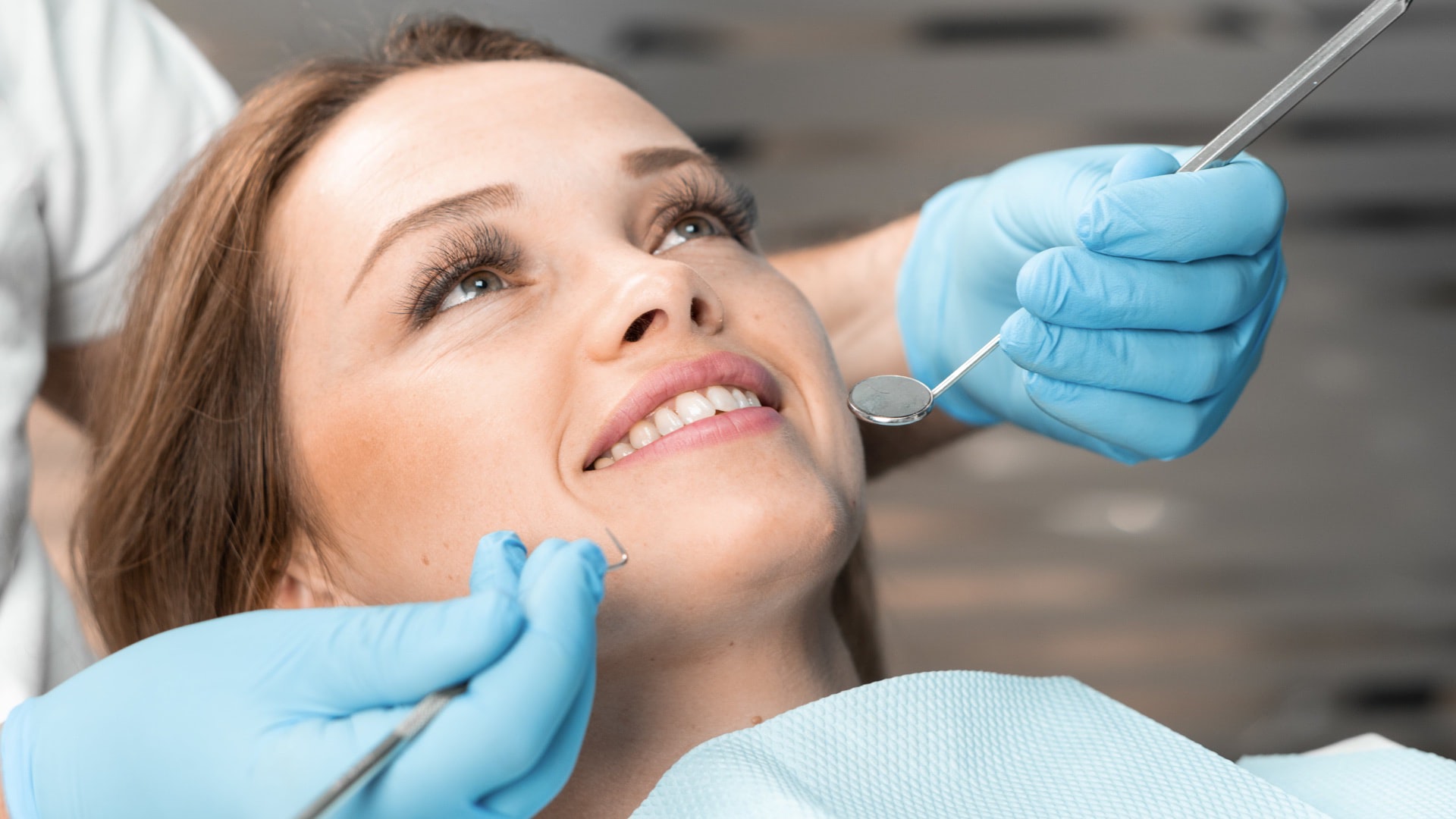
Your Smile Is Valuable—Maintenance Is Essential
Laminate veneers are considered one of the most elegant procedures in esthetic dentistry. These restorations, in the form of thin porcelain veneer, are bonded to the anterior surfaces of teeth to correct color, shape, and alignment discrepancies. They are frequently selected in smile design due to their superior resemblance to natural-looking teeth. However, as with any aesthetic procedure, their longevity depends on proper maintenance habits.
"This review provides a step-by-step overview of evidence-based maintenance protocols designed to extend the lifespan of laminate veneers, maintain their luster, and reduce the risk of sensitivity."
What Are Laminate Veneers and How Durable Are They?
Laminate veneers are porcelain restorations with an average thickness of 0.3–0.7 mm. During this procedure, minimal enamel reduction is applied to the facial surface, and the restoration is bonded with resin-based adhesives.
Longevity
- With proper application and regular maintenance, they can last approximately 10–15 years.
- In the absence of adequate oral hygiene, their lifespan may decrease to 5–7 years.
Most Common Indications
- Teeth that are discolored or do not respond to bleaching procedures.
- Fractured, abraded, or minor diastemas teeth.
- Minor misalignment
- Smile design procedures
According to the International Journal of Prosthodontics (2022), laminate veneer restorations demonstrate a 94% success rate over a 10-year period, which is among the highest when compared to implant-supported and zirconia-based restorations.
Daily Care: Minor Habits, Major Differences
Although laminate veneers appear as durable as natural teeth, their surface structures differ. Therefore, even small changes in care habits may result in considerable differences in outcomes.
Proper Brushing Technique
- Brush at least twice a day using a soft-bristled toothbrush at a 45° angle.
- Avoid toothpastes with abrasive components.
- Whitening toothpastes can cause abrasion on the veneer surface.
- Prefer fluoride-containing toothpastes with a low RDA value.
Use Dental Floss or Interdental Brushes
- Plaque accumulation at the veneer and gingival interface may lead to discoloration.
- Using dental floss or an interdental brush gently once a day reduces this risk.
Avoid Excessive Forces
- Do not bite hard objects such as walnuts, ice, or pens.
- If bruxism is present, a night guard should be used.
Stay Away from Habits Leading to Discoloration
- Coffee, tea, red wine, and cigarettes can lead to staining at the adhesive margin rather than the porcelain itself.
- Drinking water after consuming these beverages helps minimize discoloration.
Regular Professional Dental Cleaning
Dental check-ups every six months help preserve both the surface luster and color integrity of veneers.
Possible Complications and Management Strategies
Laminate veneers are quite stable treatments when properly applied. However, the following issues may be encountered in some cases:
a. Marginal Discoloration
It is usually associated with plaque accumulation at the gingival margin or smoking.
Solution: Professional polishing and routine interdental cleaning.
b. Debonding of the Adhesive margin
Micro-scale separation of the adhesive layer may occur due to trauma or bruxism.
Solution: Early detection allows for simple repair; delayed intervention may require replacement.
c. Sensitivity
Mild sensitivity is normal during the first 1–2 weeks after veneer placement.
Solution: Low-acid diet, desensitizing toothpastes, and short-term fluoride gels.
d. Fracture or Debonding
This may occur as a result of traumatic impact, bruxism, or gingival recession.
Solution: If the fracture is minor, repair with composite resin is possible; in more extensive cases, re-bonding or replacement of the veneer may be required.
According to a study published in the Journal of Adhesive Dentistry (2020), 68% of veneer fractures are associated with excessive occlusal forces or bruxism.
Clinical Care and Long-Term Follow-Up
Ensuring the durability of laminate veneers depends not only on daily maintenance but also on regular professional check-ups.
Clinical Follow-Up Plan
- First month: Fit check and surface polishing
- At 6 months: Assessment of plaque accumulation and discoloration
- Annually: Evaluation of gingival levels, bonding stability, and surface re-polishing
Adjunctive Procedures Performed by the Dentist
- Professional polishing (gloss renewal)
- Fluoride application (reduction of sensitivity)
- Laser gingivoplasty (maintenance of smile symmetry)
These follow-ups are critical not only for aesthetic outcomes but also for maintaining gingival health and the long-term success of the veneers.
Smile Design is a Long-Term Investment
Laminate veneers constitute one of the most distinguished applications of aesthetic dentistry, where “naturalness meets elegance.” The longevity of the restoration is determined not only by the porcelain material but also by the consistency of the patient’s oral care habits.
With proper brushing techniques, regular check-ups, and careful lifestyle habits, veneers can preserve their initial aesthetic appearance for many years.
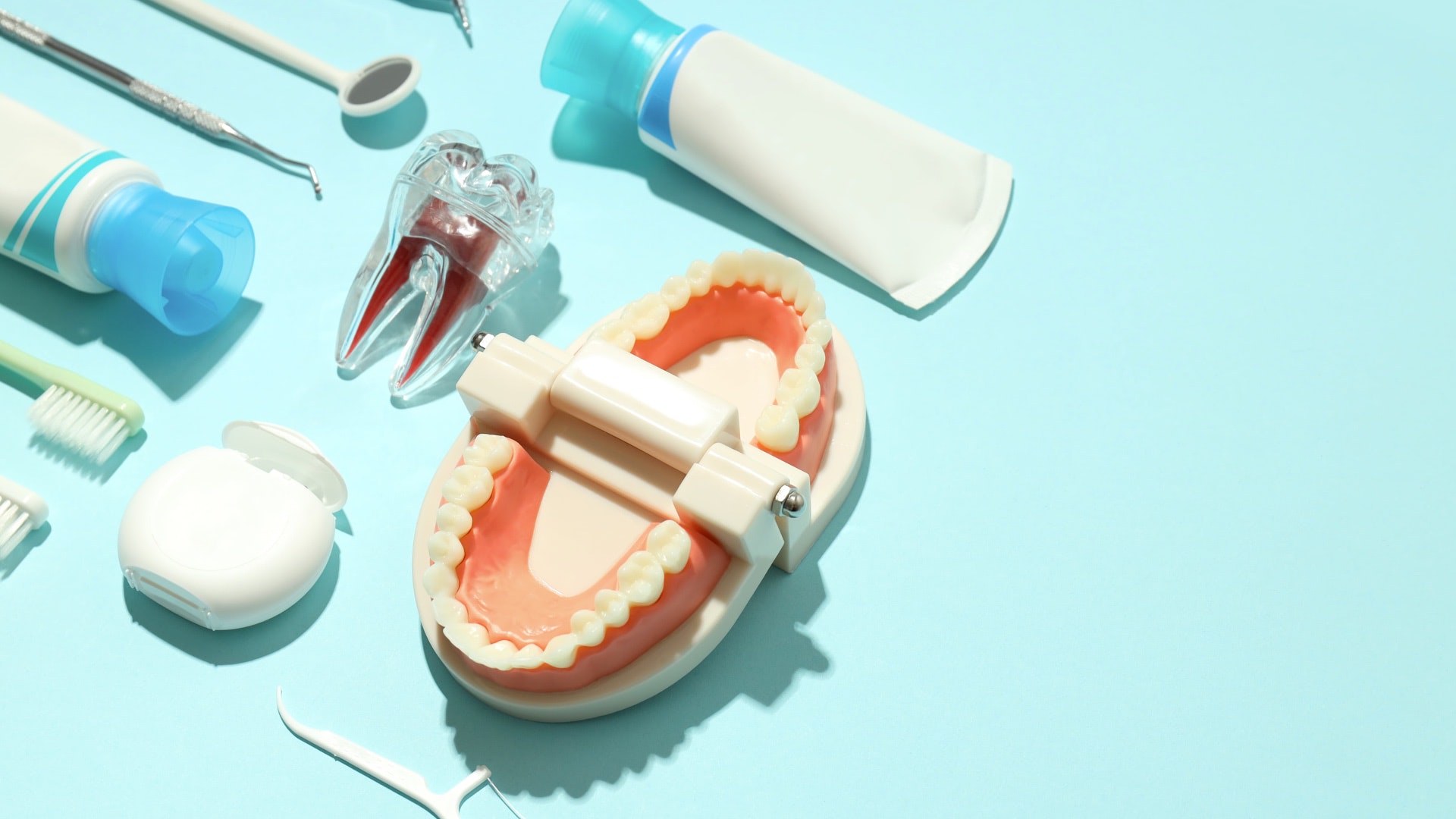
Why is the 45° angle important in toothbrushing technique? How does the 2-minute rule affect gingival health? A detailed step-by-step correct brushing guide from experts.
Detailed Information
Stay Connected with Us
Do you need help? Contact Us