

Blog
Lifestyle Modifications in Bruxism: Scientific Ways for Managing Teeth Clenching
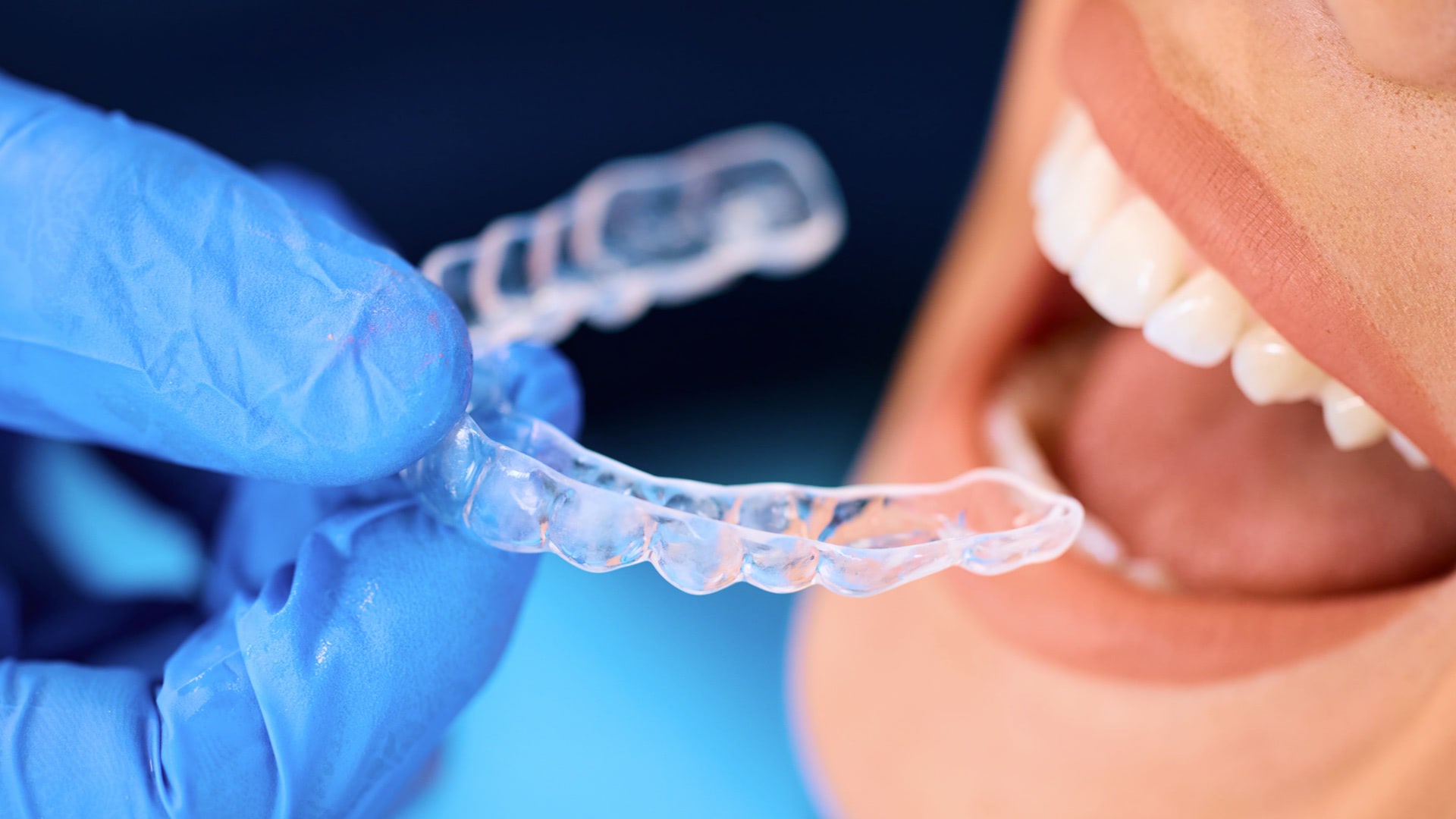
Teeth Clenching: More Than Just a Habit
Bruxism is defined as the involuntary clenching or grinding of teeth. It commonly occurs during sleep without awareness; however, in some individuals, it may also persist while awake during the day.
This condition adversely affects not only the teeth but also:
- the masticatory muscles,
- the temporomandibular and cervical joints (TMJ),
- and even sleep quality.
Approximately 10–15% of adults suffer from bruxism. Its etiology is multifactorial; stress, anxiety, malocclusion, certain medications, and sleep disorders play a collective role. Treatment is not limited to the use of occlusal splints alone. Long-term success is achieved through lifestyle modifications.
Understanding the Causes: The Mind–Muscle–Sleep Axis
The primary trigger of bruxism is stress. High work intensity, emotional tension, and suppressed anger increase muscle tension, leading to involuntary activation of the masticatory muscles.
a. Psychological Factors
The prevalence of bruxism can reach up to 50% in individuals with high levels of stress and anxiety. Mental fatigue before sleep (e.g., prolonged screen time) interferes with muscle relaxation.
b. Physiological Factors
Sleep apnea and snoring are significant contributors to bruxism. Additionally, caffeine, nicotine, and alcohol can keep the masticatory muscles active throughout the night.
c. Dental Factors
Malocclusion caused by tooth alignment disorders or suboptimal fillings can lead to reflexive contraction of the jaw muscles.
According to Sleep Medicine Reviews (2022), bruxism patients who participated in stress management programs experienced a 45% reduction in teeth clenching frequency.
7 Lifestyle Changes to Implement in Daily Life
The goal of bruxism treatment is not only to reduce symptoms but also to modify habits that trigger muscle tension.
Stress Management
- Breathing exercises or meditation for 10–15 minutes daily help relax the jaw muscles.
- Mindfulness and yoga promote both mental and physical relaxation.
- A structured end-of-day relaxation routine (e.g., warm shower, calming music) should be established on a daily basis.
Sleep Hygiene
- Maintaining a consistent sleep schedule and obtaining sufficient sleep (7–8 hours) each night is essential.
- Screen exposure should be discontinued at least one hour before bedtime.
- The bedroom environment should be cool, quiet, and dark.
- Alcohol and caffeine consumption should be avoided within four hours before sleep.
Jaw Awareness Exercises
- Are you clenching your teeth unconsciously during the day?
- When the lips are closed, the teeth should not be in contact — a slight space should be maintained between them.
- Checking this several times a day helps promote relaxation of the jaw muscles.
Dietary Guidelines
- Foods rich in magnesium, calcium, and B vitamins support muscle relaxation.
- Bananas, almonds, green leafy vegetables, oats, and avocado are recommended.
- Reduce caffeinated beverages, as they increase the threshold for muscle contraction.
Physiotherapy and Massage
- Massaging the jaw muscles (masseter and temporalis) for 2–3 minutes daily helps reduce muscle tightness.
- Application of a warm, moist towel also provides a relaxing effect.
- Jaw relaxation exercises taught by physiotherapists provide long-term benefits.
Daytime Teeth Grinding Guard (Day Guard)
- In some individuals, teeth clenching occurs not only at night but also during the day, in office settings.
- Transparent, thin protective guards help reduce hyperactivity of the jaw muscles.
Conscious Breaks During Stressful Situations
- Jaw clenching may increase unconsciously during long periods of computer use.
- Taking a 1–2 minute break every 30 minutes can make a significant difference.
Clinical Support: Protective Guards and Alternative Treatments
Lifestyle changes control bruxism to a large extent; however, some cases may require additional clinical support.
a. Night Guard
Custom-made to the individual and it reduces tooth contact. It alleviates load on the temporomandibular joint and prevents abrasion of tooth surfaces.
b. Botulinum Toxin (Botox) Application
Temporarily inhibits excessive contraction of the jaw muscles. The effect lasts 4–6 months and is particularly effective in patients with significant muscle hypertrophy.
c. Biofeedback
Devices that detect muscle activity during sleep and provide alerts. They assist in minimizing the individual's subconscious behavior of muscle contraction.
d. Dental Occlusal Adjustment
Suboptimal fillings, malocclusion, or imbalanced jaw positions should be corrected to eliminate mechanical causes of bruxism. The Journal of Oral Rehabilitation (2021) reported that the combination of a night guard and stress management reduced bruxism severity by 68%.
Controlling Teeth Clenching Begins with Balancing Life
Bruxism affects not only the teeth but also the jaw muscles, headaches, and sleep quality. The good news is that it can be largely controlled with proper lifestyle changes. When regular sleep, stress management, physical relaxation exercises, and professional support are combined, bruxism symptoms are significantly reduced.
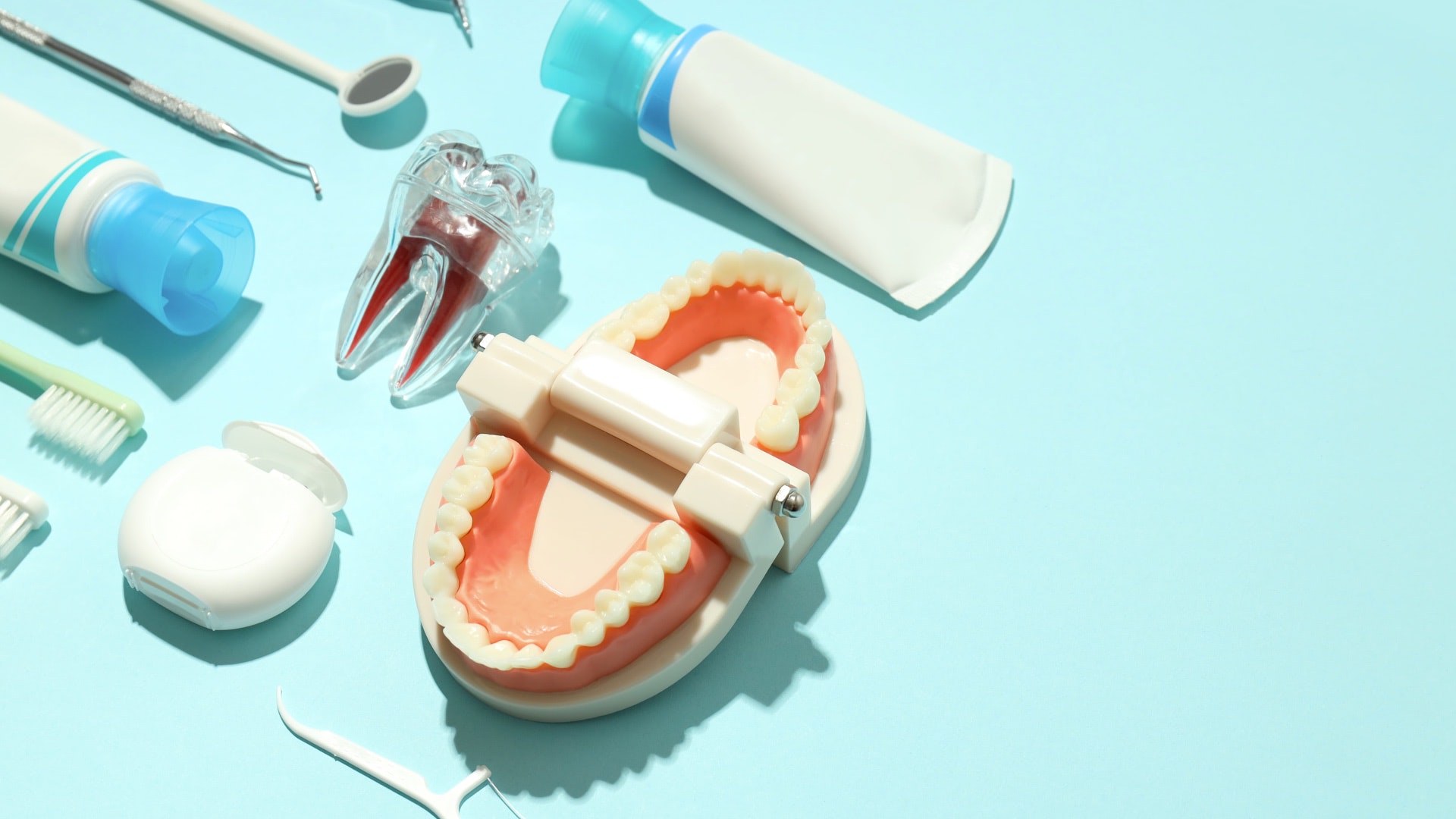
Why is the 45° angle important in toothbrushing technique? How does the 2-minute rule affect gingival health? A detailed step-by-step correct brushing guide from experts.
Detailed Information
Stay Connected with Us
Do you need help? Contact Us