

Blog
Mouthguard Guide While Doing Sports
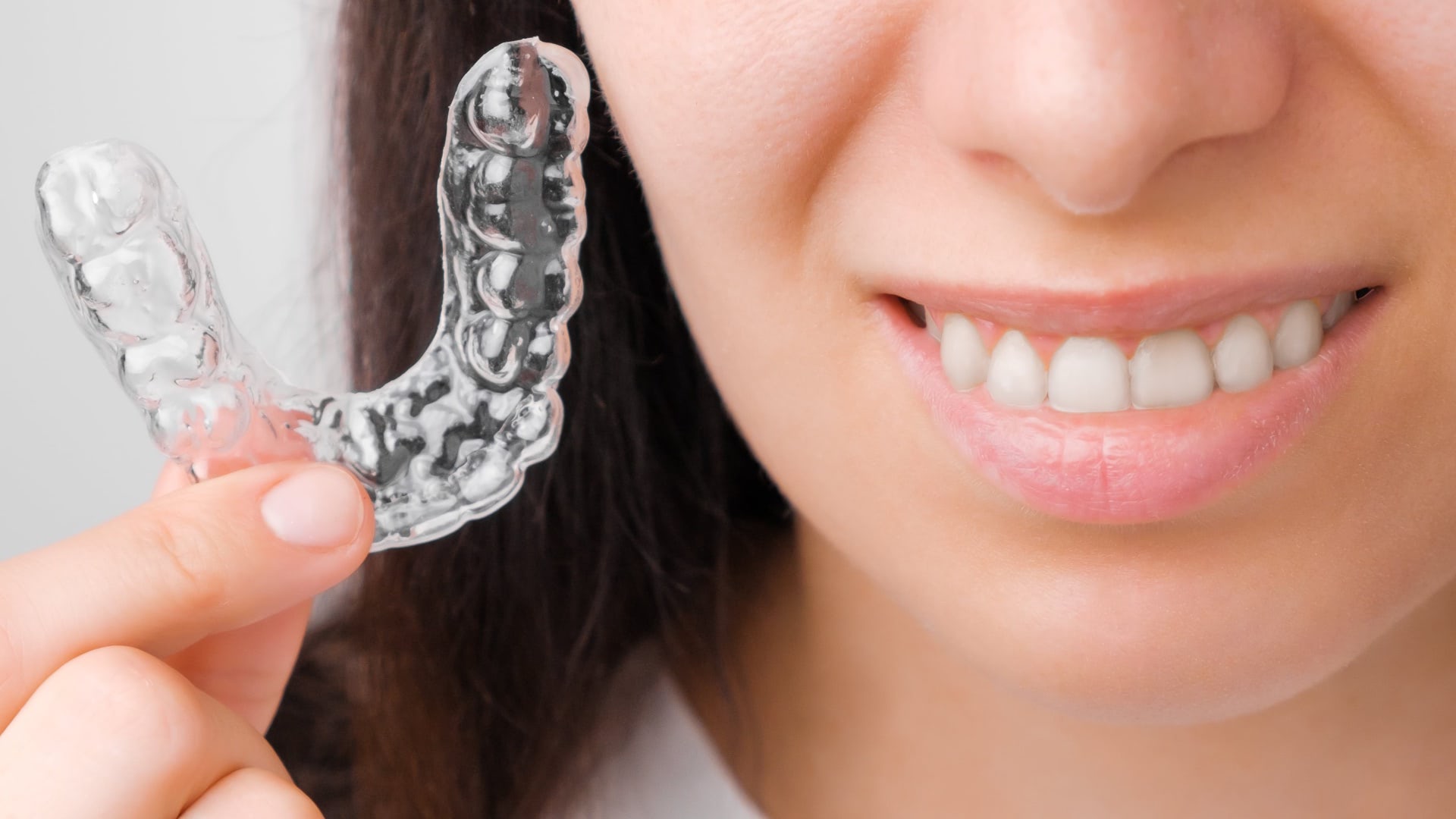
The Invisible Link Between Sports and Oral Health
Regular physical activity is indispensable for maintaining overall health; however, contact sports constitute a high risk for dental and maxillofacial trauma. Activities such as basketball, soccer, boxing, martial arts, handball, volleyball, and even cycling can result in impacts to the oral region, potentially resulting in permanent damage.
According to the World Dental Federation (FDI):
"Sixty percent of sports-related oral injuries occur due to the absence of a mouthguard." A mouthguard, which may resemble a simple piece of plastic, is in fact a crucial protective appliance for the teeth, gingival tissues, and jawbone.
What is the Function of a Mouthguard?
Mouthguards absorb the energy of an impact at the moment of trauma, reducing the force transmitted to the jaw, teeth, and soft tissues. This significantly lowers the risk of fractures, cracks, tooth loss, or temporomandibular joint injuries.
Regions Protected by a Mouthguard
- Teeth (particularly the anterior teeth)
- Lips and the buccal mucosa
- Gingiva
- Temporomandibular joint (TMJ)
- Brain (indirectly, by dissipating impact forces)
According to a study in the British Journal of Sports Medicine (2022), athletes who used a mouthguard experienced an 83% lower incidence of dental trauma.
Types of Mouthguards: Which One Suits You?
Mouthguards are classified into three main categories; each offering different levels of comfort, protection, and cost.
a. Stock Mouthguard
- Available in supermarkets or sporting goods stores.
- Not custom-made; worn directly.
- Generally thick, uncomfortable and may interfere with speech.
Advantages:
- Inexpensive and readily accessible.
Disadvantages:
- Provides limited protection
- Low comfort
- May impede breathing
- It should only be used for short-duration or low-risk activities (e.g., fitness).
b. Boil-and-Bite Mouthguard
- Made from thermoplastic material.
- Softened in boiling water and then molded by biting.
- Offers a better fit compared to stock mouthguards.
Advantages:
- Partially customizable
- Provides moderate protection
Disadvantages:
- Deteriorates quickly if the mold does not fit
- Over-biting may thin the material and reduce effectiveness
c. Custom-Made (Professional Mouthguard)
- Fabricated in a laboratory based on impressions taken by a dentist.
- Constructed using three-layered, specialized materials.
- Provides the highest level of comfort and protection.
Advantages:
- Excellent fit
- Does not interfere with speech or breathing
- Durable and long-lasting
Disadvantages:
- More expensive compared to other types
- Replacement is required if dental anatomy changes
According to the American Dental Association (ADA, 2023) data, athletes using custom-made mouthguards experience a 98% reduction in the risk of tooth fractures.
Considerations When Selecting an Appropriate Mouthguard
For a mouthguard to be effective, fit, material quality, and usage habits are critical factors.
Fit:
- It should provide a tight fit to prevent dislodgement.
- It should not interfere with speech or breathing.
- It should fully cover the maxillary teeth without contacting the mandibular teeth.
Thickness
- The average thickness should be 3–4 mm.
- For high-contact sports such as boxing or rugby, a double-layered design is recommended.
Material Quality
- The mouthguard should be made of medical-grade EVA (ethylene-vinyl acetate) material.
- It must be free of BPA and latex.
Care and Storage
- Rinse with lukewarm water after each use and store in a protective case.
- Avoid exposure to sunlight or hot water.
- Replace every 6–12 months.
Special Considerations for Child and Adolescent Athletes
Since dental and jaw development are ongoing in growing children, mouthguards need to be replaced frequently.
a. Replacement Intervals
- Between ages 6–12: every 6 months
- After age 12: must be examined annually
b. For Those Under Orthodontic Treatment
Special orthodontic mouthguard models are available for children undergoing Invisalign or brace treatments. These models do not damage brackets and distribute forces evenly.
c. Sport-Specific Selection
| Spor Dalı | Önderilen Mouthguard | Koruma Düzeyi |
|---|---|---|
| Basketbol | Kişiye Özel | Orta-Yüksek |
| Futbol | Boil & Bite veya Kişiye Özel | Orta |
| Boks / MMA | Kişiye Özel Çift Katman | Yüksek |
| Bisiklet / Kaykay | Boil & Bite Orta | Orta |
| Hentbol / Ragbi | Kişiye Özel | Yüksek |
According to a study published in the European Journal of Sports Dentistry (2022), athletes who regularly use mouthguards during childhood have an 89% lower risk of permanent dental trauma.
Mouthguard: A Small Equipment – Major Protection
Using a mouthguard protects not only dental health but also the entire facial structure. With this simple equipment, it is possible to prevent:
- Tooth fractures
- Injuries to the lips and tongue
- Temporomandibular joint (TMJ) trauma
The optimal approach to playing your sport safely involves designing a custom-made mouthguard with your dentist.
Why is the 45° angle important in toothbrushing technique? How does the 2-minute rule affect gingival health? A detailed step-by-step correct brushing guide from experts.
Detailed Information









Stay Connected with Us
Do you need help? Contact Us