

Blog
Post-Orthodontic Retainers: Duration and Usage
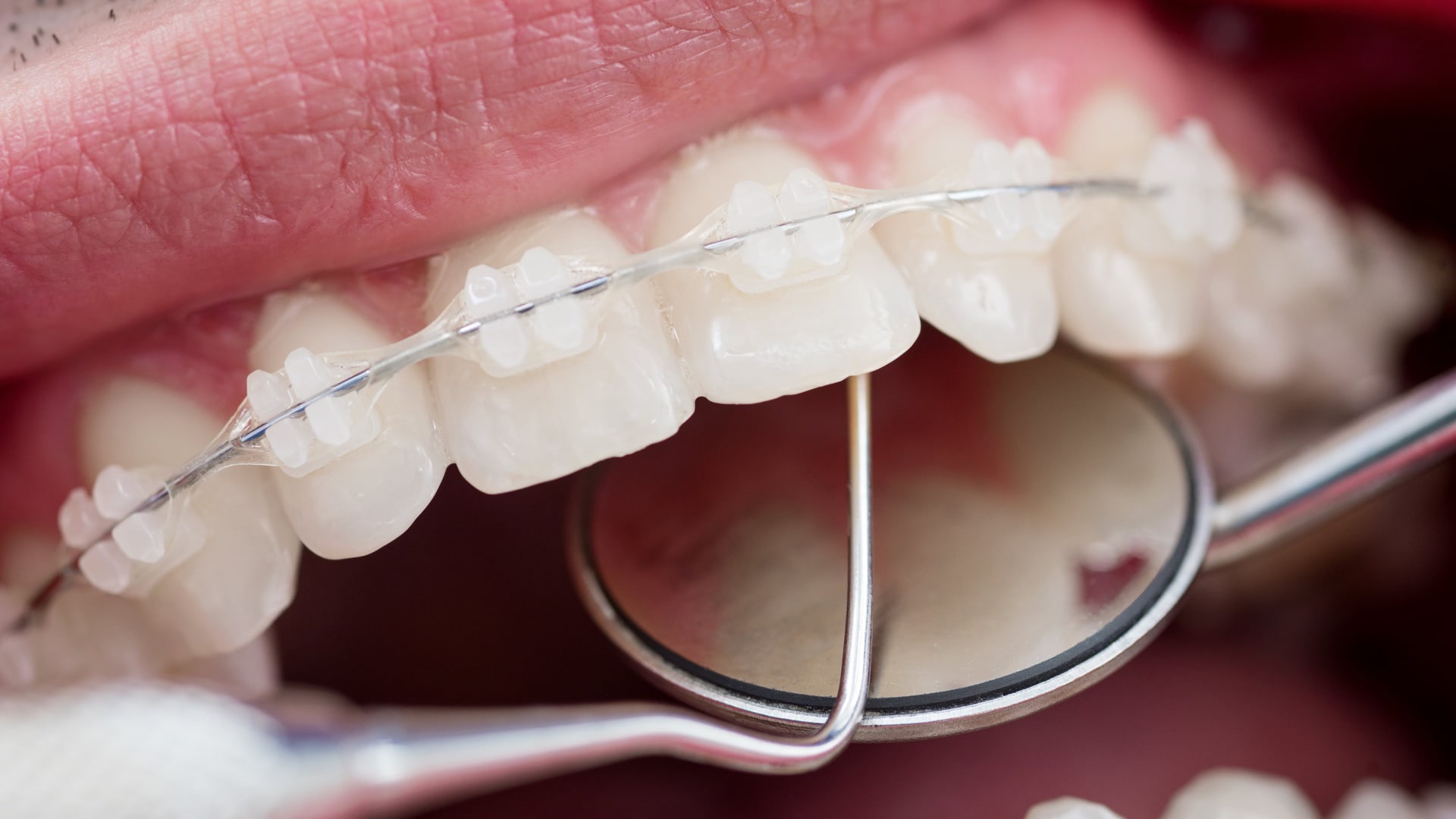
The Process Isn’t Over Once Brackets Are Removed
Orthodontic therapy is a careful process that can take months or even years. When the braces are removed, a straight, aligned, and aesthetic smile emerges. However, the treatment is not truly complete because teeth are not yet accustomed to their new positions. This is exactly where the retainer comes into play. A retainer is a specialized stabilization device that prevents teeth from returning to their previous positions. Knowing how long, how, and which type of retainer to use ensures that the results of years of effort become permanent.
Why Do Teeth Tend to Return to Their Original Positions?
Orthodontic treatment moves teeth to new positions within the bone. However, the periodontal ligament surrounding the tooth roots does not immediately adapt to these new positions. Due to their “muscle memory,” these tissues try to pull the teeth back toward their original positions. This phenomenon is called relapse. During this period, the retainer passively maintains tooth stability.
Factors Contributing to Relapse
- The first 12 months post-treatment
- Gingival inflammation or reduced bone support
- Pressure from lips, tongue, or cheek muscles
- Bruxism
- Incorrect swallowing reflex
Types of Retainers: Fixed or Removable
Retainer systems are selected based on the individual, the type of orthodontic intervention, and the patient’s oral habits. They are generally divided into two main categories:
a. Fixed Retainer (Bonded Retainer)
- A thin metal wire is bonded to the lingual surfaces of the upper or lower anterior teeth using composite material.
- Invisible from the outside.
- Provides continuous protection; eliminating the risk of forgetting to wear it.
Advantages:
- Provides permanent stabilization
- Invisible
- Does not cause discomfort during daily routine
Disadvantages:
- Prone to plaque accumulation
- Makes flossing difficult
- If the wire breaks unnoticed, relapse may occur
b. Removable Retainer (Hawley or Clear Type)
Hawley Retainer:
Classic type with an acrylic base and metal wire support. It is durable, but may be less aesthetically preferred as it is visible.
Clear Retainer (Essix)
Similar to Invisalign aligners. It is made of thin, transparent material. It is invisible, comfortable, and usually worn at night.
Advantages:
- Easy to clean
- Comfortable and aesthetic
- Can be removed when necessary
Disadvantages:
- Risk of forgetting or losing it
- Risk of deformation due to heat
- Requires daily use discipline
How Long Should a Retainer Be Worn?
This is one of the most frequently asked questions in in the field of orthodontics. The answer depends on the force magnitude of tooth movement, patient age, and tissue adaptation.
Some experts argue that teeth have a lifelong tendency to shift, and therefore ‘wearing a retainer should become a permanent habit.’
Oral Hygiene, Care, and Common Mistakes
a. Daily Cleaning
- Retainers should be cleaned at least once a day with lukewarm water.
- Hot water causes deformation.
- A cleaning tablet (e.g., Corega) can be used once a month.
b. Storage
- Leaving retainers without a box is the most common reason for losing them.
- Should not be exposed to direct sunlight or high temperatures.
c. Common Mistakes
- Eating without removing the retainer
- Wearing it while consuming coffee or tea
- Storing it without rinsing after removal
- Not wearing it for extended periods and experiencing a “tightness sensation" upon reuse
Success Is Incomplete Without Retention
Orthodontic treatment does not end with the removal of braces—on the contrary, the retention phase begins at that point. Retainer use is the most critical step in stabilizing the new position of the teeth.
With regular use and proper maintenance habits:
- Relapse risk is minimized
- Treatment stability is improved
- The smile remains aesthetic for many years.
Regular follow-up, careful use, and patience help preserve both the clinician’s efforts and your smile over the long term.
Why is the 45° angle important in toothbrushing technique? How does the 2-minute rule affect gingival health? A detailed step-by-step correct brushing guide from experts.
Detailed Information





Stay Connected with Us
Do you need help? Contact Us