

Blog
Teething Timeline in Children: What Is Normal and When to Consult a Dentist?
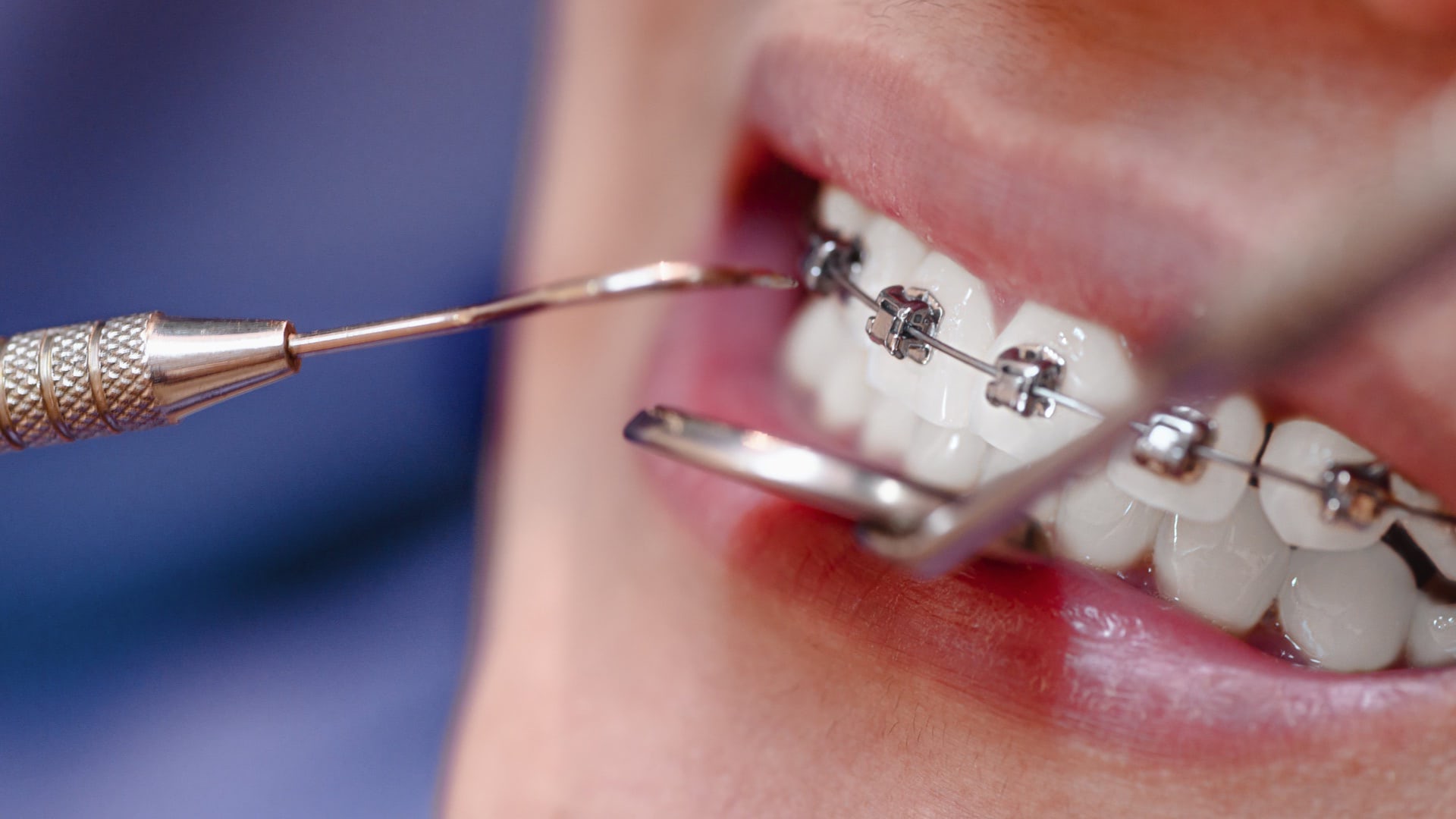
The First Tooth: The Most Endearing Stage of Growth
The eruption of a baby’s first tooth is an exciting milestone for both parents and the child. However, this process may sometimes be accompanied by discomfort— symptoms such as fever, irritability, hypersalivation, and loss of appetite can be observed. Each child exhibits an individual rate of development; therefore, the timing of tooth eruption may vary by several months. The important thing is to closely monitor this timeline and to consult a dentist in cases of unusual delay.
Deciduous Teeth: Fundamental Timeline
Babies possess a total of 20 deciduous teeth (10 maxillary, 10 mandibular). These teeth generally begin to erupt around the sixth month and are usually complete by 2.5–3 years of age.
Average Sequence of Deciduous Teeth Eruption
| Diş Grubu | Sürme Zamanı | Düşme Zamanı |
|---|---|---|
| Alt Ön Kesiciler | 6-10 Ay | 6-7 Yaş |
| Üst ön kesiciler | 8–12 ay | 6–7 yaş |
| Yan kesiciler | 9–13 ay | 7–8 yaş |
| 1. süt azılar | 13–19 ay | 9–11 yaş |
| Köpek dişleri | 16–22 ay | 9–12 yaş |
| 2. süt azılar | 25–33 ay | 10–12 yaş |
The sequence of eruption is considered more significant than the timing. For instance, if mandibular incisors emerge before maxillary incisors, this is entirely within normal limits; what is crucial is symmetrical eruption.
According to a study published in the Pediatric Dental Journal (2022), the average variation in deciduous teeth eruption is accepted as ±2 months.
Transition to Permanent Teeth: Around the Age of 6
Deciduous teeth begin to exfoliate around age six. During this period, deciduous molars (six-year molars) erupt—many parents mistakenly identify these as deciduous teeth.
a. Why are the Deciduous Molars Important?
- It forms the foundation of masticatory function.
- It determines the shape and development of the dental arch.
- Being a permanent tooth, it must be carefully protected.
b. Mixed Dentition Period (Ages 6–12)
During this phase, both primary and permanent teeth coexist. Therefore, establishing toothbrushing habits is essential for children at this age.
c. Delayed Tooth Eruption
In some cases, teeth may erupt several months delayed relative to the expected time.
This is often a hereditary condition; however, certain factors require clinical examination:
- Premature birth
- Thyroid disorders
- Vitamin D or calcium deficiency
- Obstruction in the eruption path due to bone or cyst
If no teeth have erupted by the 13th month, a pedodontist examination is recommended.
Signs Observed During the Teething Process
Tooth eruption is generally painless; however, some children may experience localized discomfort due to gum recession.
Most Common Symptoms:
- Gingival itching and swelling
- Hypersalivation
- Loss of appetite
- Mild fever (around 37.5°C)
- Restlessness during sleep
What Should Parents Do?
- Cold teethers: provide relief to the gingiva.
- Clean, cold towel: Massage can be done by pressing gently.
- Plenty of water and soft foods: Especially fruit purees and yogurt can be preferred.
- Analgesic gels or aspirin-derived medications should not be used without consulting a dentist.
According to the European Academy of Pediatric Dentistry (EAPD, 2021), most fevers observed during the teething period are associated with coincidental viral infections; the teething process itself is not a direct cause of fever.
Situations Requiring Dental Consultation
Not every teething process progresses naturally. In the following situations, it is necessary to consult a pediatric dentist:
No teeth eruption by the 13th month
In such cases, a radiographic examination is performed to check the presence of dental germs.
Abnormal Eruption Sequence of Deciduous Teeth
If asymmetry is present (for example, the right mandibular tooth has erupted while the left mandibular has not), the direction of the underlying permanent teeth should be evaluated.
Severe Pain and High Fever (>38°C)
In such cases, the condition may not be related to teething but rather to another infection (e.g., otologic or pharyngeal).
Early Shedding of Deciduous Teeth
If early loss occurs due to chronic caries or trauma, the use of a space maintainer may be required.
Delayed Eruption of Permanent Teeth Until Age Eight
The absence of eruption of the mandibular incisors may indicate impaction of the underlying permanent teeth.
Each Tooth is a Developmental Step
The process of tooth eruption is a natural part of a child’s growth and development. Each child progresses at an individual pace; therefore, patience and careful observation are essential.
Through regular dental check-ups:
- Delays can be identified at an early stage,
- Potential problems in tooth alignment can be prevented,
- Healthy toothbrushing habits can be established at an early age.
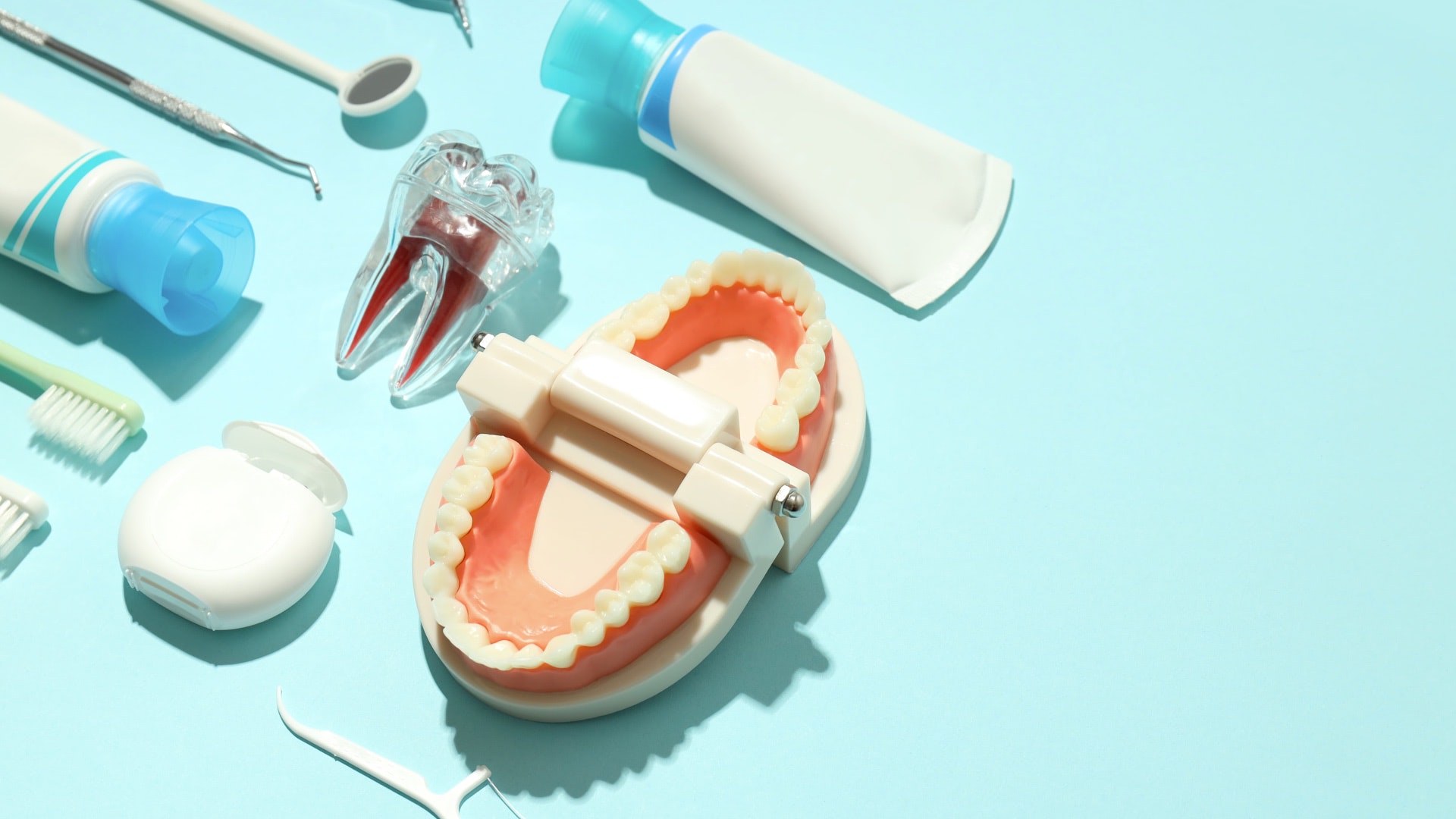
Why is the 45° angle important in toothbrushing technique? How does the 2-minute rule affect gingival health? A detailed step-by-step correct brushing guide from experts.
Detailed Information




Stay Connected with Us
Do you need help? Contact Us