

Blog
The First 72 Hours After Implant Surgery – A Guide to Pain, Swelling, and Healing
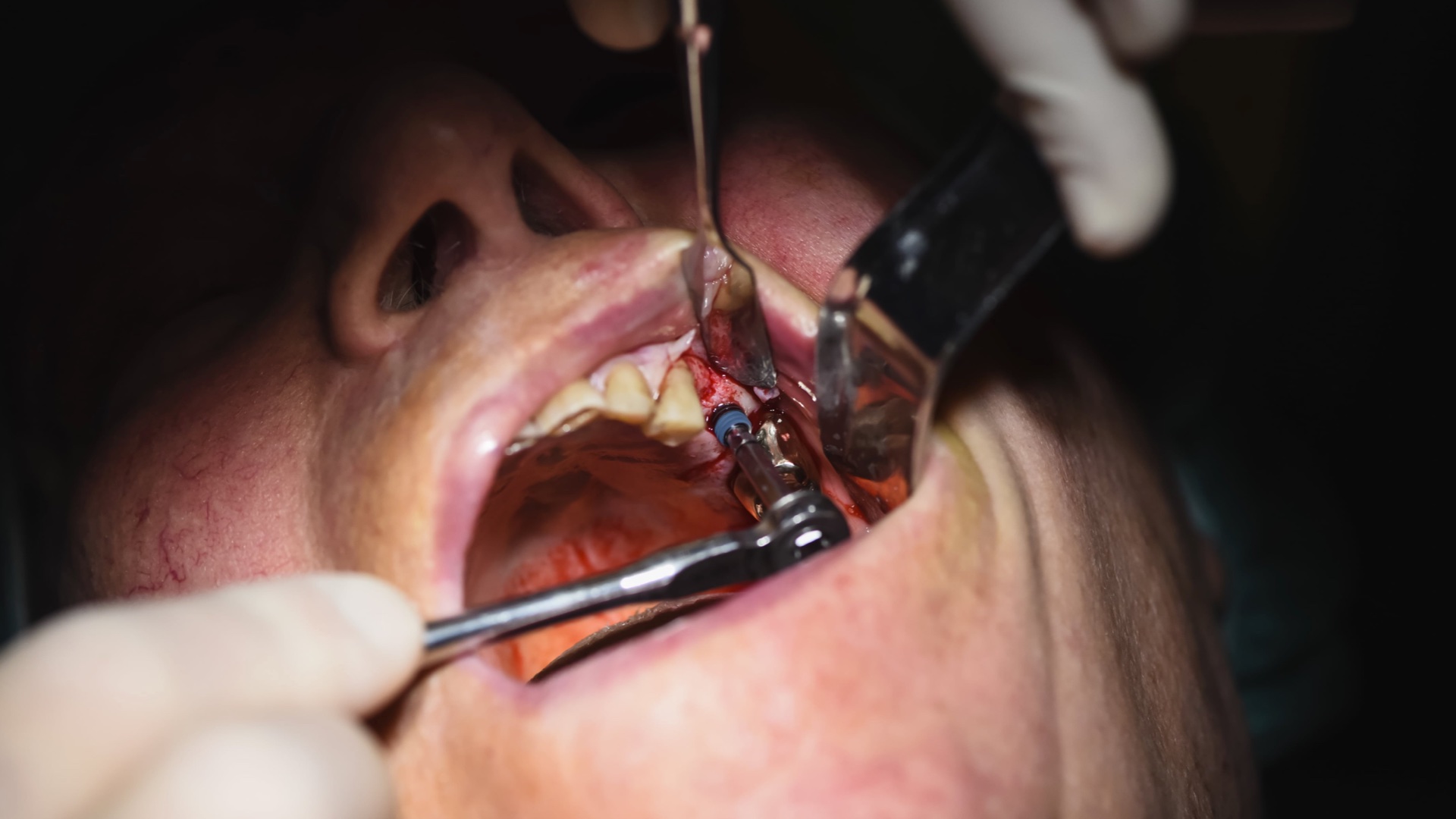
Why Are the First 72 Hours So Important?
Dental implant treatment is a modern surgical procedure that offers highly successful results in terms of both aesthetics and function. However, the most critical period determining the success of this treatment is the first 72 hours following the operation. During this time, the body actively enters the wound-healing process, inflammation begins, and clot formation provides protection for the tissues.
During the first 3 days, an incorrect action — such as eating hot food, forcing the area with mouthwash, or smoking — may disrupt the clot around the implant and lead to complications such as bleeding, infection, or tissue separation. Therefore, patients need to manage this period consciously in accordance with medical instructions.
In modern surgical approaches, the integration of the implant with the bone, known as osseointegration, is usually completed within 6–12 weeks. However, the healthy progression of this biological process begins with the steps taken during the first 72 hours.
Pain and Swelling Management: Understanding the Body’s Natural Response
As with any surgical procedure, the body begins its self-repair process after implant surgery. The natural reflections of this process are pain, swelling, and sometimes bruising. Patients often confuse these symptoms with complications; however, they are normal responses of the body during healing.
Pain Control:
The first 48 hours are the period when pain is usually felt most intensely. Painkillers recommended by the doctor, usually ibuprofen or paracetamol, should be taken at regular intervals. They should be taken not “when the pain starts,” but before the pain begins, in order to maintain their effect. A throbbing sensation accompanying the pain is normal; however, if the pain increases after the 3rd day, you should consult your dentist.
Swelling Management:
Facial swelling is more noticeable especially after lower jaw operations. This occurs due to temporary slowing of lymphatic circulation. Cold compress application is the most effective solution at this stage. During the first 24 hours, an ice pack should be applied to the cheek area using the principle of 20 minutes of application followed by a 20-minute break. After the 2nd day, the swelling usually begins to decrease; on the 3rd day, it generally reaches its highest level and then starts to subside. At this stage, sleeping with your head supported by a high pillow helps circulation and reduces swelling.
Nutrition and Fluid Intake: The Silent Power of Healing
Proper nutrition during the healing process helps wound tissue repair faster and reduces the risk of infection. The basic principle of the diet during the first 72 hours should be “cold, soft, and nutritious.”
First 24 Hours:
- Only room-temperature or cold foods should be preferred.
- Yogurt, milk, pureed vegetables, and soups are suitable.
- Drinks should not be consumed through a straw, as the negative pressure created may dislodge the clot.
- Spicy, acidic, and carbonated drinks should be avoided.
After 48 Hours:
- Warm soups, boiled vegetables, eggs, and soft pasta may be added.
- Drinking plenty of water supports the healing process, but hot beverages should be avoided.
- Foods rich in vitamin C, such as orange juice, may be consumed diluted with water rather than directly.
Day 3 and After:
- As the body begins to recover, protein-rich but still soft foods should be preferred.
- Options such as fish, chicken, boiled vegetables, and oatmeal are ideal.
Restrictions on smoking and alcohol are as important as nutrition. Nicotine and alcohol reduce oxygen flow to the tissues; this both disrupts clot stability and slows down the osseointegration process.
Oral Hygiene and Care: The Period of “Gentle Cleaning”
Postoperative hygiene is vital for preventing infection. However, this does not mean aggressive cleaning that may strain the surgical area.
On the first day, rinsing the mouth or using mouthwash is definitely not recommended. This is because the clot is not yet fully stable and may be dislodged by pressure. From the second day onward, with the dentist’s approval, the mouth may be gently rinsed with warm salt water, using half a teaspoon of salt in one glass of water. The use of antiseptic mouthwash containing chlorhexidine is generally started after the 3rd day.
Tooth Brushing:
- A soft-bristled toothbrush should be used.
- Direct contact with the surgical area should be avoided.
- Oral hygiene should be maintained by carefully brushing the other areas.
Dental floss should not be used until the stitches are removed. If necessary, interdental brushes may be used for support.
Conclusion: The First 3 Days Are the Key to Success
The first 72 hours after dental implant surgery directly affect the speed of healing and the long-term success of the implant. Pain, swelling, and mild bleeding are natural parts of this period. However, careful care, patience, and following the dentist’s recommendations are the most effective ways to get through this process smoothly.
During this period, the patient’s role is not passive but an active collaboration. Proper nutrition, cold compress application, medication adherence, and compliance with hygiene rules all form the foundation of a long-lasting and stable implant.
A successful implant treatment is not only the result of the surgery itself, but also of properly managing the first 72 hours.
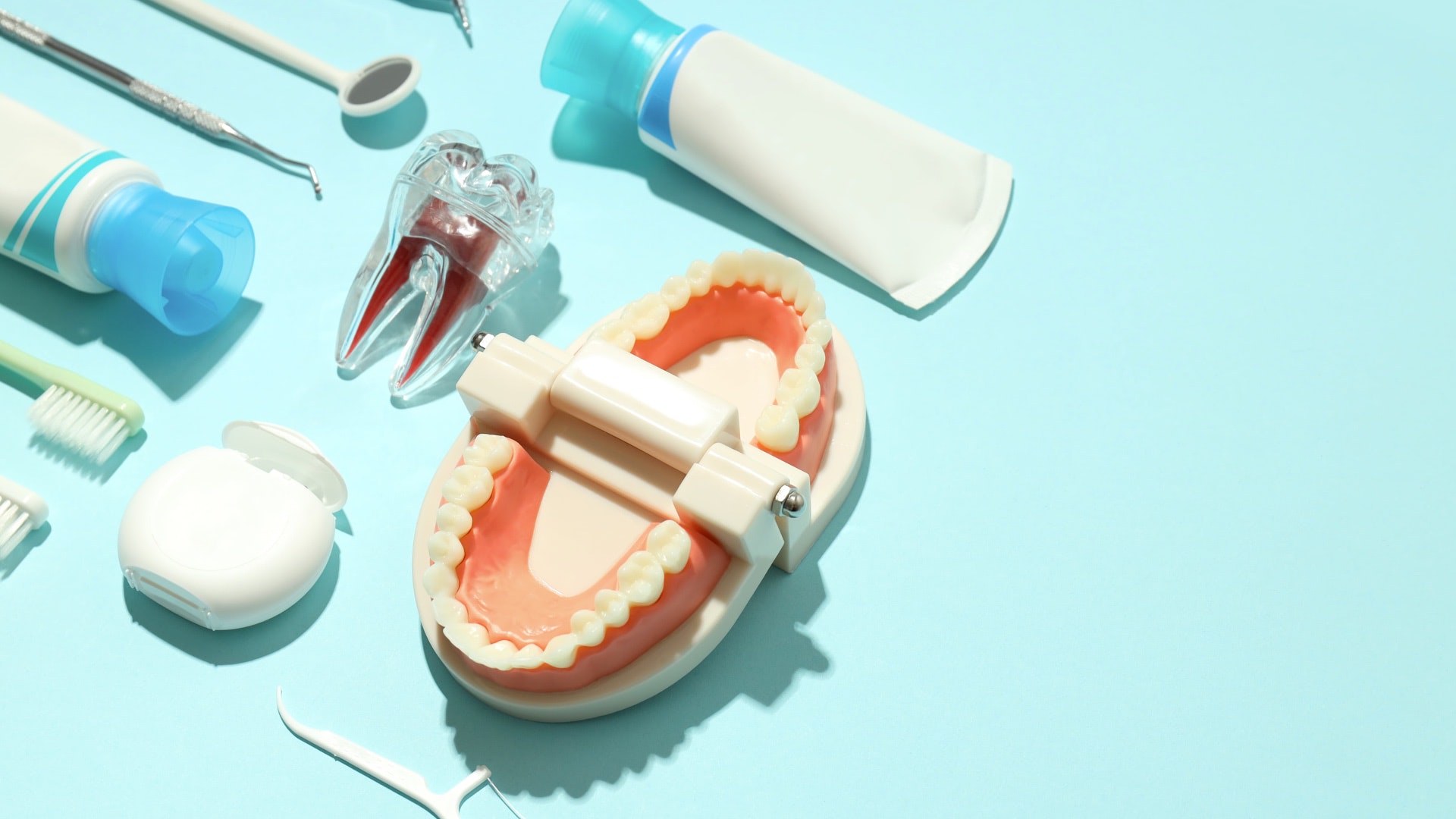
Why is the 45° angle important in toothbrushing technique? How does the 2-minute rule affect gingival health? A detailed step-by-step correct brushing guide from experts.
Detailed Information




Stay Connected with Us
Do you need help? Contact Us