

Blog
The Relationship Between Diabetes and Periodontal Disease: The Impact of Blood Sugar Balance on Oral Health
The Bidirectional Relationship Between Diabetes and Oral Health
Diabetes is a chronic metabolic disorder that affects the body’s ability to produce or utilize insulin. However, diabetes is not solely a problem of blood sugar—it directly impacts multiple body systems, particularly the oral cavity and gingiva.
Hyperglycemia can lead to:
- Disruption of the bacterial balance in the mouth
- Reduced saliva production.
- Slower tissue healing
This creates a favorable environment for periodontal diseases. "Diabetes affects oral health, and oral health in turn affects diabetes control—this relationship is bidirectional."
Why Is Periodontal Disease More Common in Diabetes?
In individuals with diabetes, high blood sugar levels weaken the immune system and impair gingival tissue defense against bacterial challenges.
a. High Blood Sugar (Hyperglycemia) and Risk of Infection
Plaque bacteria accumulating in the oral cavity initiate inflammation in the gingival tissues (gingivitis). In diabetic individuals, this inflammation can readily progress to a more advanced stage known as periodontitis. According to data from the Journal of Periodontology (2023), the prevalence of periodontal disease is three times higher in individuals with uncontrolled diabetes.
b. Reduced Salivary Secretion
High blood sugar levels reduce salivary gland function, leading to dry mouth (xerostomia). Reduced salivary secretion makes the tooth surface more vulnerable to acid attacks.
c. Vascular and Tissue Damage
Diabetes affects small blood vessels (microangiopathy), resulting in decreased blood flow to the gingival tissues. This leads to delayed healing and an increased susceptibility to infections.
d. Plaque and Calculus Accumulation
High glucose levels increase the adhesiveness of plaque bacteria. As a result, calculus formation accelerates, and gingival inflammation occurs more readily.
Oral Manifestations of Diabetes
The oral cavity serves as a mirror reflecting the early signs of diabetes.
According to the Diabetes Care Journal (2022), complaints of xerostomia and halitosis are observed 64% more frequently in individuals with diabetes compared to healthy individuals.
The “Vicious Cycle” Between Diabetes and Oral Health
Diabetes negatively affects oral health; however, oral infections can also complicate glycemic control. This bidirectional interaction is defined as a “vicious cycle.”
a. Mechanism of Inflammation
During periodontal disease, the body produces cytokines (inflammatory mediators) in response to bacterial challenge. These mediators contribute to increased insulin resistance, leading to a rise in blood sugar levels.
b. Periodontitis = Increased HbA1c Levels
Studies conducted in patients with chronic periodontal inflammation have shown that HbA1c levels increase by an average of 0.7%. In other words, infected gingival tissues directly affect glycemic control.
c. Post-Treatment Recovery
Following periodontal treatment, a reduction of 0.4–0.6% in HbA1c levels has been observed. This provides scientific evidence that proper oral care contributes to glycemic regulation.
Oral Care Guidelines for Diabetic Patients
a. Daily Care
- Brush your teeth twice a day using a soft-bristled toothbrush.
- Use fluoride toothpaste and antiseptic mouthwash.
- In cases of xerostomia, prefer sugar-free chewing gum or xylitol tablets.
b. Nutrition
- Avoid sugary snacks.
- Ensure adequate water intake to preserve oral moisture.
- Supplements with vitamin D, vitamin C, and omega-3 may be taken.
c. Clinical Check-Ups
- Undergo professional dental scaling every 3–6 months.
- If intraoral lesions do not heal within one week, consult your dentist promptly.
d. Use of Implants and Prostheses
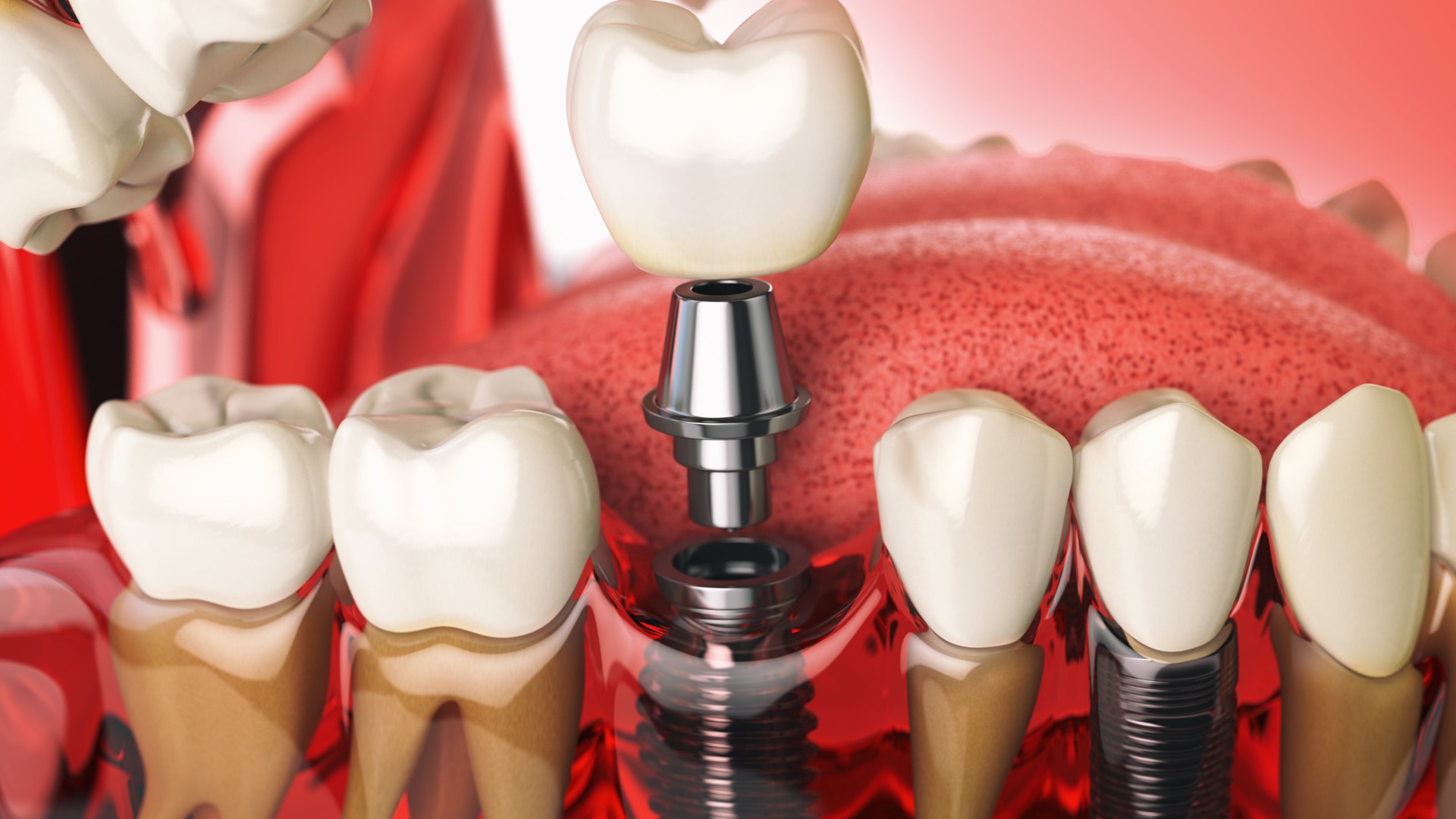
Implant treatment is feasible in individuals with diabetes, provided that blood sugar is well controlled (HbA1c < 7%). Hyperglycemia increases the risk of inflammation around the implant (peri-implantitis).
Clinical Oral Implants Research (2023): Implant success rates are 78% in patients with uncontrolled diabetes, compared to 96% in patients with well-controlled diabetes.
e. Medications
Certain antidiabetic medications (e.g., metformin) can reduce salivary secretion, leading to xerostomia. Oral moisturizing sprays can be used under the guidance of a healthcare professional.
Diabetes Control Begins in the Oral Cavity
The relationship between diabetes and periodontal disease is not merely an aesthetic or comfort issue—it is a fundamental component of systemic health. Minor inflammation originating in the oral cavity can affect overall metabolic balance. This vicious cycle can be interrupted through regular dental check-ups, adequate nutrition, and blood sugar management.
Why is the 45° angle important in toothbrushing technique? How does the 2-minute rule affect gingival health? A detailed step-by-step correct brushing guide from experts.
Detailed Information











Stay Connected with Us
Do you need help? Contact Us