

Blog
Trimester-Based Oral and Dental Health (Pregnancy)
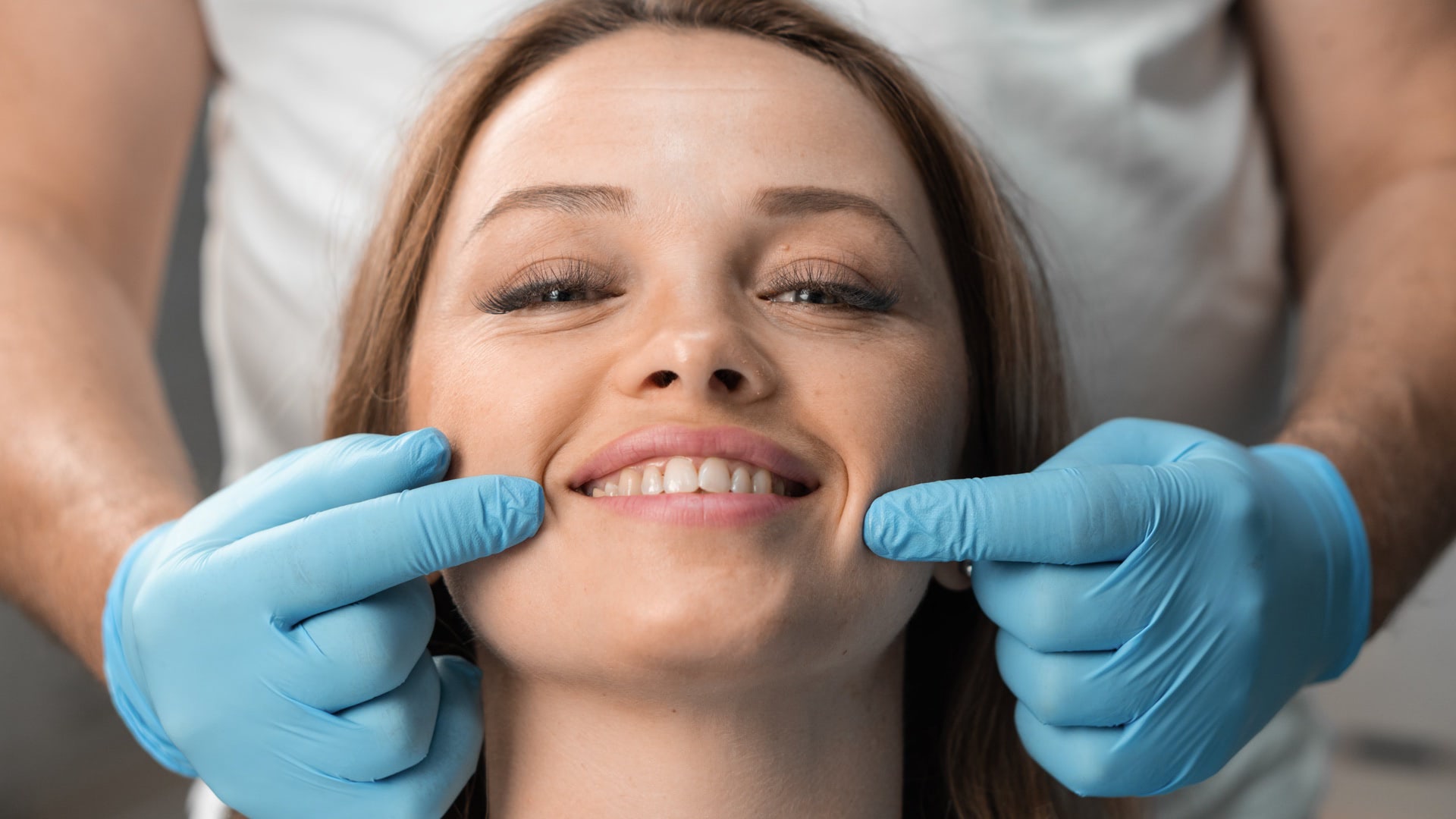
Why Oral Health Is a Special Concern During Pregnancy?
The pregnancy period is a unique process in which numerous hormonal, physiological, and immunological changes occur in a woman’s body. These changes directly affect not only general health but also oral and dental health. Increase in hormone levels, particularly estrogen and progesterone, render the susceptibility of the gingiva to bacteria. This leads to:
- Gingival swelling
- Gingival bleeding
- Halitosis
- Gingival inflammation (pregnancy gingivitis)
Furthermore, morning sickness, vomiting, and acidic gastric contents may contribute to enamel erosion. Therefore, a trimester-oriented approach to oral care (based on three-month intervals) is essential during pregnancy.
First Trimester (0–13 Weeks): Period of Attention and Proctection
The first trimester is the most critical period, during which fetal organogenesis begins. During this phase, preventive and protective approaches in oral care should be prioritized.
a. Treatment Planning
- Routine dental scaling can be performed; however, painful or prolonged procedures (extraction, fillings, X-rays) should be postponed if possible.
- In necessary cases, the dentist can perform limited dental interventions with the approval of a gynecologist.
b. Following Nausea and Vomiting Oral Care
Nausea, commonly experienced during pregnancy, leads to the exposure of teeth to gastric acid. This may lead to enamel surface abrasion.
To be avoided: Brushing immediately after vomiting (enamel is softened in an acidic environment).
Recommended practice:
- Add half a teaspoon of baking soda to a glass of water and rinse your mouth.
- After 30 minutes, clean the teeth using a soft-bristled toothbrush.
c. Nutrition
- Avoid sugary snacks.
- Increase consumption of foods containing calcium, phosphorus, and Vitamin D (milk, yogurt, eggs, fish).
According to the American Dental Association (ADA), in the first trimester, proper diet combined with basic oral hygiene education can reduce the incidence of gingivitis by up to 40%.
Second Trimester (14–27 Weeks): Optimal Period for Treatment
This period represents an ideal treatment window, as both mother and fetal conditions are generally more stable.
a. Clinical Applications
- Procedures such as fillings, dental prophylaxis (scaling), and root canal treatment can be performed safely during this trimester.
- If an X-ray is necessary, a lead shield and thyroid collar should be used.
- Local anesthetics (e.g., lidocaine) are considered safe when administered at appropriate doses.
b. Pregnancy Gingivitis
As a result of hormonal changes, the gingiva is more susceptible to bleeding and swelling. When combined with plaque accumulation, this can lead to the formation of gingivitis.
Symptoms:
- Bleeding during brushing
- Gingival erythema/hyperemia
- Halitosis
Solution:
- Brush teeth twice a day
- Use interdental brushes
- Rinse with alcohol-free antiseptic mouthwash
- Professional dental scaling if necessary
c. Nutrition
- Vitamin C (kiwi, strawberries, broccoli) supports the healing of gingival tissues.
- Attention should be paid to deficiencies in iron and calcium.
According to a study published in the Journal of Maternal Health (2021), professional dental scaling during the second trimester reduced the risk of preterm birth by 20% in pregnant women.
Third Trimester (28–40 Weeks): Comfort and Preventive Approach
In the last trimester of pregnancy, prolonged dental chair positioning may cause discomfort due to abdominal enlargement. The focus during this period should be comfort and protection.
a. Treatment Procedures
- Short-term emergency interventions can be performed (e.g., painful filling or gingival abscess).
- However, planned dental treatments should be postponed until the postpartum period.
b. Gingival Hyperplasia
Benign gingival hyperplasia may occur in some women, commonly referred to as ‘pregnancy tumors’. These lesions usually regress spontaneously after birth.
c. Brushing and Positioning
- Sitting in a slightly left-tilted supine position reduces vascular compression.
- Frequent rest intervals are necessary.
d. Xerostomia (Dry Mouth)
Hormonal changes can lead to a decrease in saliva production. Drinking plenty of water and chewing sugar-free gum can help alleviate this condition.
Postpartum Period: Oral Health as a Shared Responsibility for Mother and Infant
Postpartum oral health influences both the mother's well-being and the infant’s nutrition. Oral infections present in the mother may adversely affect the infant’s oral flora through bacterial transmission.
a. During Breastfeeding
- Dental treatments can be performed safely.
- The transfer of administered anesthetics into breast milk is minimal.
b. Breast Milk and Dental Health
Breast milk provides the necessary balance of calcium and phosphorus for dental development in infants. However, oral hygiene should not be neglected after frequent nighttime feeding.
Oral Health During Pregnancy Is Directly Related to Infant Health
Oral health during pregnancy is not merely an aesthetic concern but an integral component of both maternal and infant health. With appropriate timing, proper care, and professional supervision, periodontal diseases can be prevented, thereby supporting a healthy pregnancy.
Why is the 45° angle important in toothbrushing technique? How does the 2-minute rule affect gingival health? A detailed step-by-step correct brushing guide from experts.
Detailed Information









Stay Connected with Us
Do you need help? Contact Us