

Blog
What to Eat After Wisdom Tooth Extraction?
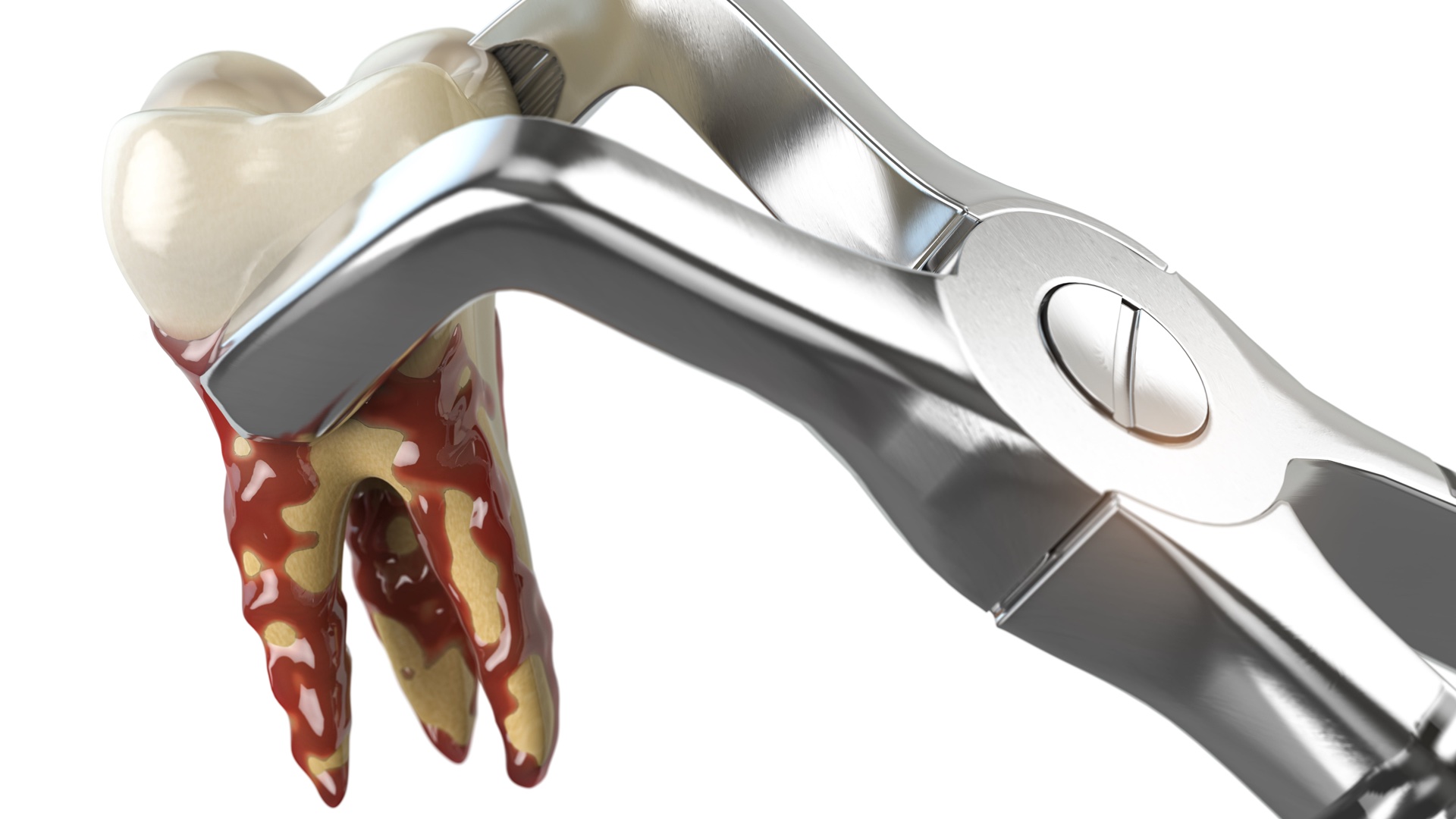
The Extraction Ends, Healing Begins
Wisdom tooth extraction is one of the most commonly performed surgical procedures. In particular, the removal of impacted or partially erupted wisdom teeth may result in trauma to the surrounding tissues. Therefore, the first 72 hours following the procedure represent a critical period for wound healing.
A common question among patients is: “When can I start eating?”
The answer depends on the principle of selecting the right type of food at the appropriate time.
Improper dietary choices may lead to dislodgement of the coagulum, increased risk of infection, and prolonged pain. In this article, we will examine the nutritional stages after wisdom tooth extraction, foods to avoid, and nutrients that support optimal healing, all based on scientific evidence.
First 24 Hours: “Soft, Cold, and Pressure-Free” Phase
After surgery, the coagulum in the mouth acts as a natural bandage that supports healing. If this clot is dislodged, a painful complication known as alveolar osteitis (dry socket) may develop. For this reason, hot, acidic, or particulate foods should be strictly avoided during the first 24 hours.
Foods That Can Be Consumed
- Yogurt, milk, and buttermilk at room temperature
- Banana puree and apple puree
- Cold soups (e.g., strained lentil or vegetable soup)
- Mashed potato or carrot puree
- Gelatin desserts or fruit yoğurt
Foods and Habits to Avoid
- Hot beverages (tea, coffee, soups)
- Hard foods (nuts, crackers, toast)
- Acidic drinks (cola, soda, fruit juices)
- Drinking through a straw (negative pressure may dislodge the clot)
- Smoking and alcohol consumption (impair blood circulation and delay healing)
Scientific Evidence:
According to data from the Journal of Oral Surgery (2021), the incidence of alveolitis is three times higher in individuals who consume hot foods within the first 24 hours after extraction compared to those following a cold diet.
24–72 Hours: “Warm, Nutritious, Tissue-Reparative” Phase
By the second day, the coagulum becomes more stable, allowing a gradual transition to soft, warm, and protein-rich foods. The goal during this phase is to provide adequate energy and protein needed for healing without damaging the tissues.
Foods That Can Be Consumed
- Boiled vegetables: zucchini, potatoes, carrots
- Boiled eggs or omelet (low-fat)
- Boiled chicken, fish, or turkey (finely shredded, fiber-free)
- Lukewarm soup, pasta, and oatmeal porridge
- Smoothies and protein-enriched beverages (without straw use)
Nutrients That Support Healing
- Vitamin C: accelerates tissue regeneration (orange juice, kiwi, broccoli)
- Zinc and iron: support cell proliferation during healing (eggs, meat, legumes)
- Omega-3 fatty acids: reduce inflammation (fish, walnuts, flaxseed)
During this period, pain typically begins to subside; however, chewing should still be minimized. Chewing is recommended on the contralateral, unaffected side whenever possible.
Precautions
- Avoid rinsing the mouth; gentle rinsing with warm salt water may be performed.
- Before initiating solid food intake, the temperature, taste, and texture should be assessed.
- Hot spices, chili peppers, and pickles are still prohibited.
After Day 3: “Gradual Return to Normal Diet” Phase
By the third postoperative day, pain and edema are significantly reduced. At this stage, the diet can gradually return to normal. However, “a full return to normal dietary habits” is generally recommended only after at least 7 days.
Gradual Transition Plan
- Days 3–5: Soft meats, boiled vegetables, rice
- Days 5–7: Cheesy pasta, vegetable soup, omelet
- After Day 7: Normal diet (with continued caution regarding very hot or hard foods)
If sutures are still present at the extraction site, fibrous or sticky foods (e.g., meat, caramel, chewing gum) should be avoided until suture removal.
Long-Term Protection
Once complete wound closure is achieved, dietary habits should be rebalanced. A diet containing adequate protein, vitamins, and calcium supports both tissue repair and bone health.
Start Soft, Heal with Patience
Nutrition after wisdom teeth extraction is a critical factor that directly influences the quality of healing. The primary objectives are preservation of the coagulum within the first 24 hours, tissue regeneration within 72 hours, and complete recovery within a week.
The rule is simple:
The more gentle the care, the faster the healing process.
Starting with cold and soft foods and gradually transitioning to a normal diet not only reduces postoperative pain but also minimizes the risk of complications. Proper nutrition supports not only gastric comfort but also effective wound healing at the surgical site.
Why is the 45° angle important in toothbrushing technique? How does the 2-minute rule affect gingival health? A detailed step-by-step correct brushing guide from experts.
Detailed Information





Stay Connected with Us
Do you need help? Contact Us